GÜLAY YAŞAYANLAR & MÜMTAZ SAĞLAM
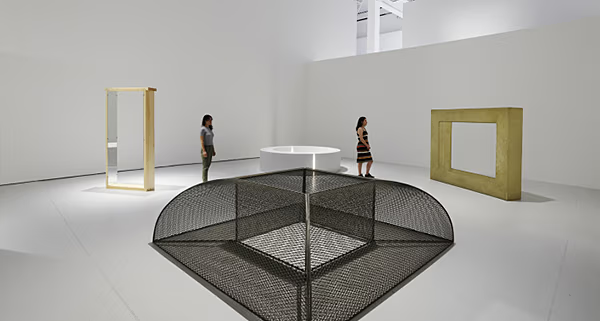
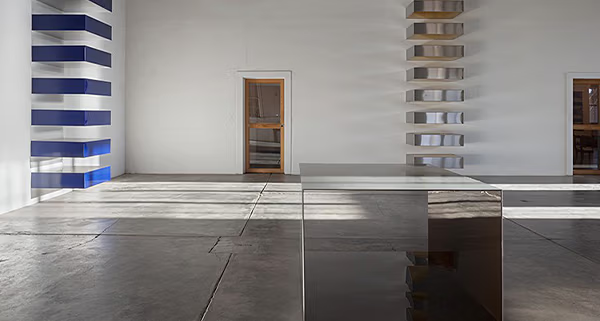
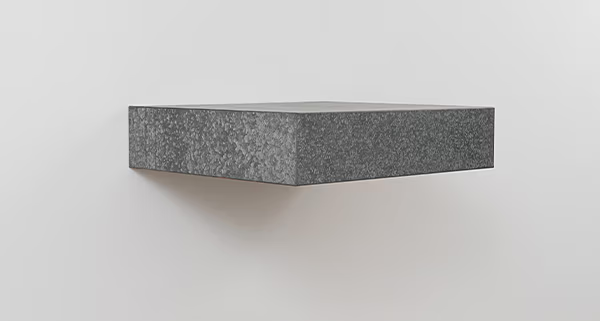
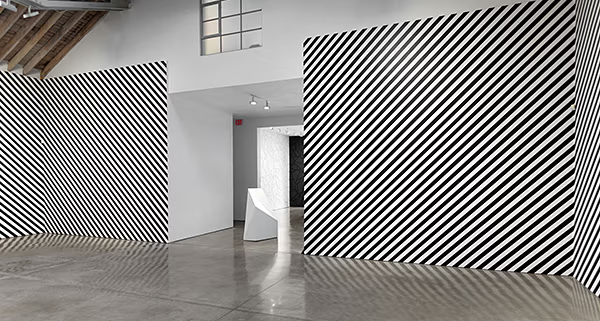
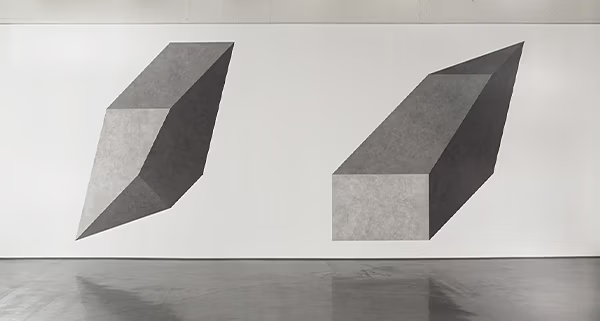
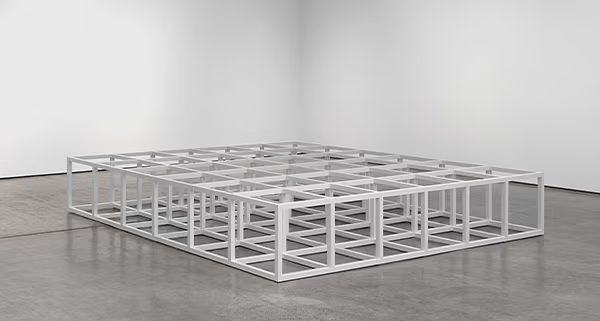
Minimalist works, conceptualized as a design phenomenon, consider the object and form in their most abstract and reduced state within a spatial sensibility. In Carl Andre, for instance, one can observe how material or object is materialized through a mediation of space, time, and perception, thereby transforming into sculpture. Such minimalist sculptures, which activate holistic perception, aim through Sol LeWitt and Dan Flavin toward an aesthetic condition that transcends mass, becoming a form of painting or sculpture that generates spatial dynamism. Richard Serra, in this context, approaches sculpture and space even more closely by rendering formal simplicity visible and effective. It is therefore possible to regard the approaches described as weaving space or carving space as an effort toward purification and withdrawal from external influences, efforts that constitute the very essence of a formalist artistic practice. (2)
space and meaning: minimalist sculpture
Early examples of Minimalist work seem to have swiftly lost their initial purity due to their strategic affiliations. As is frequently noted, this sensibility, having established formal discipline within the framework of style and manner, appears to have abandoned the shared sensitivity evident in artistic representations and turned instead toward the development of individual language, as though seeking to embrace the very aspects it had left incomplete or reacted against. According to Hal Foster, Minimalism stands in opposition both to the privileged high art of Late Modernism and to the spectacle culture of capitalism, and was subsequently suppressed by these very processes.
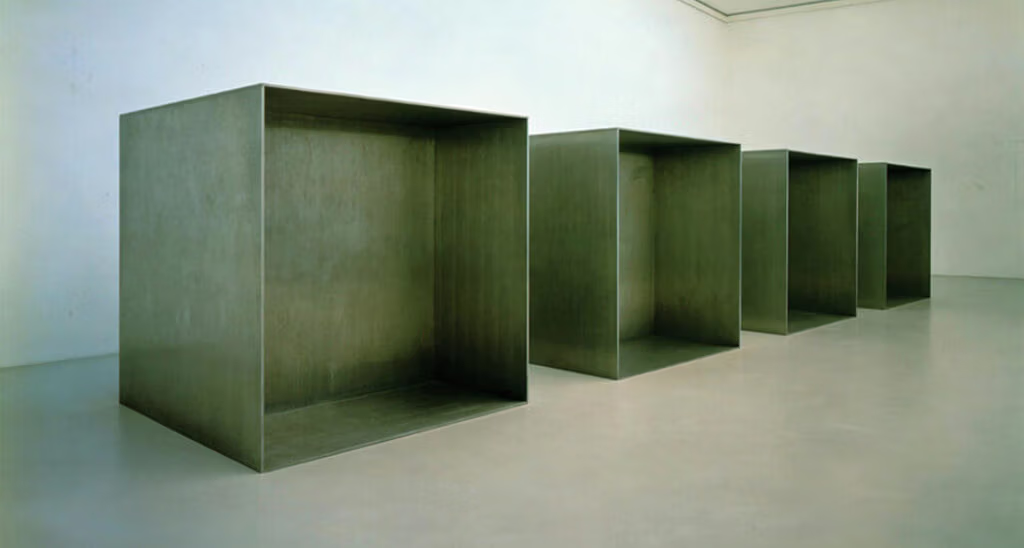
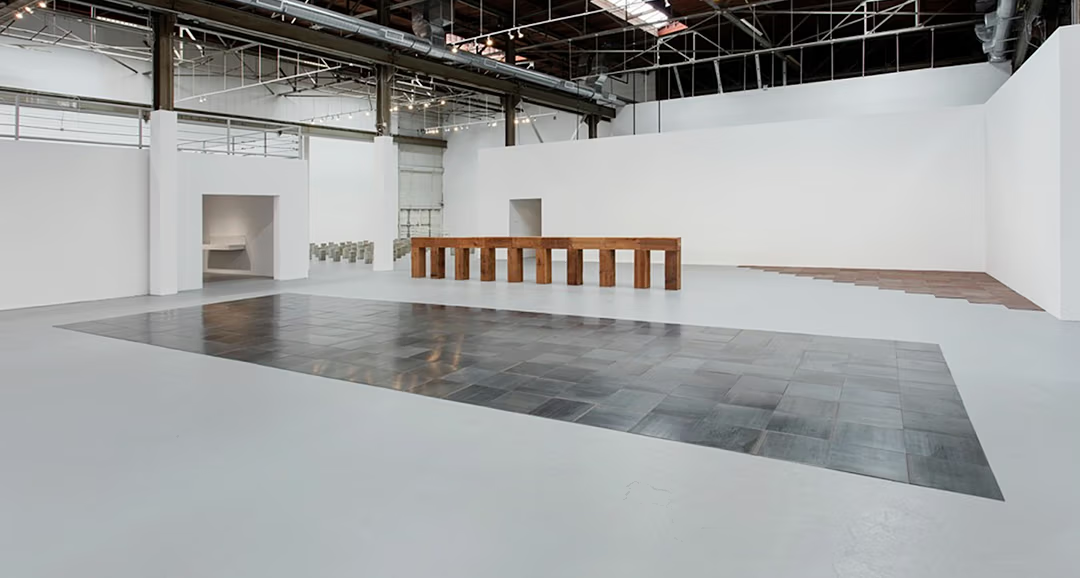
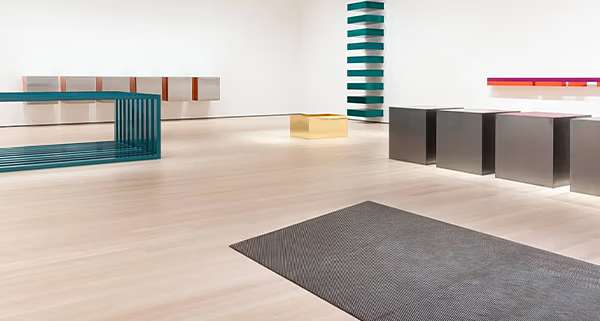
On closer examination, it becomes apparent that Robert Morris, Carl Andre, and Donald Judd employ the object in Minimalist sculpture according to a principle of idealized order, harmony, and tension. This concerns the meaning, simplicity, and directness of arrangement. What is of primary importance here is the resemblance and multiplicity of forms. This condition, achieved through repetition and directly determining visuality, can only be explained, in the work of Donald Judd and Robert Morris, through the relationship that forms establish within this experiential field, forms which remain within and are lived through experience and content themselves with inner existence. Solely in this respect, the sculptural arrangements of Judd and Morris contain a psychological intimacy of meaning imprisoned within the massive presence of forms, a minimal wholeness and a possibility or density of meaning, and all this within a thoroughly emotionless and sterile environment. (2)

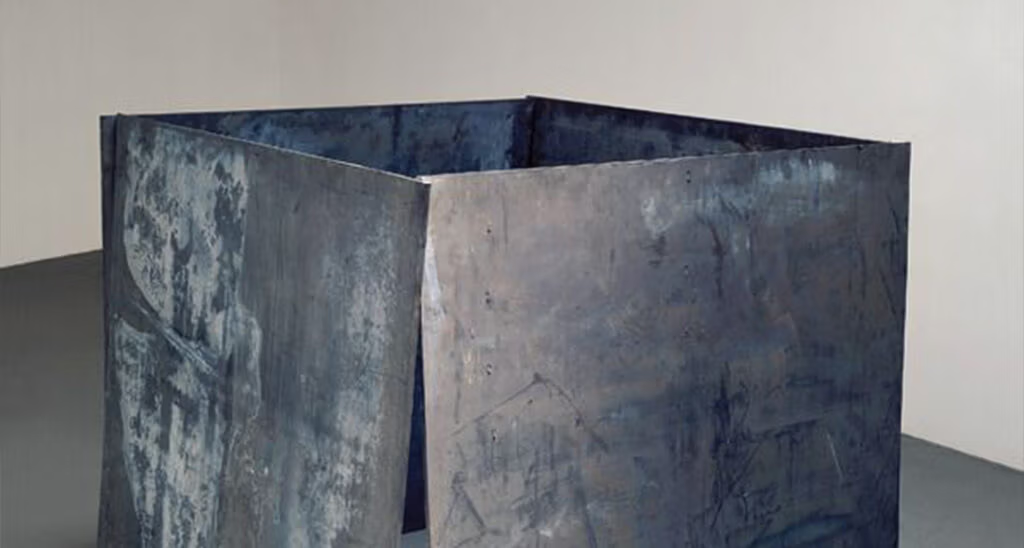
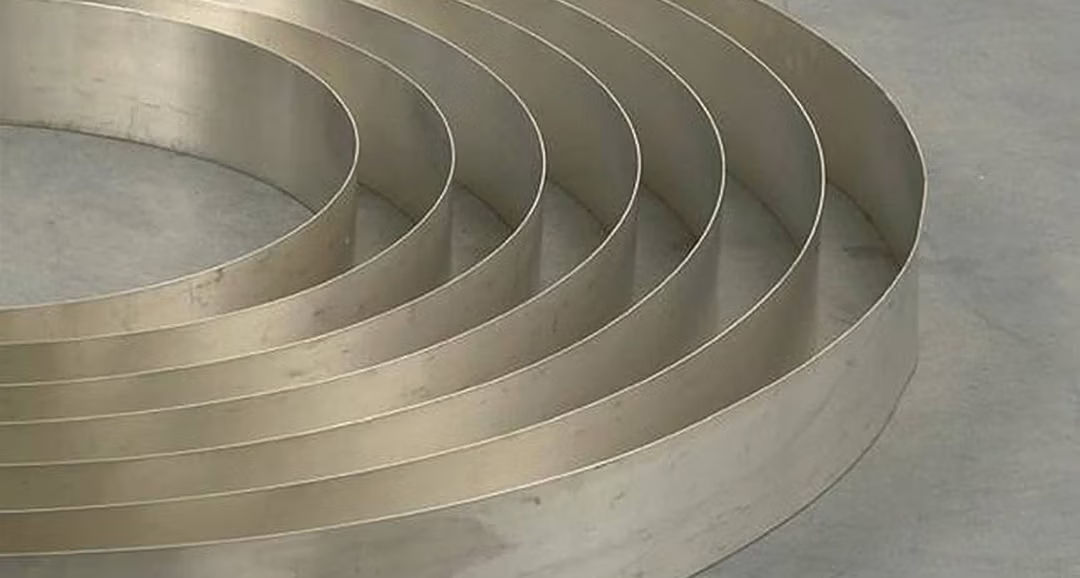
Yet a sterile and non-decorative experience of order corresponds more clearly to the act of reaching a non-rhythmic, mutable appearance that Carl Andre and Richard Serra invest in metal. Richard Serra, in particular, demonstrates in his early work House of Cards that the cube can be achieved, beyond any idealized notion, through an artificial, simple structural surface engagement. Moreover, there is no tedious repetition insistently applied here. Serra rejects this aesthetic and its harmony from the outset. Rather than proposing the cube as a sharp form or a unified structure, he attempts to constitute it as an emotional and spatial arrangement through fragmented, variable, and ordinary metal plates. In doing so, he brings the sculpture forth not as something bound to an introverted, psychological burden, but as an arrangement with resonances in the public, historical and more precisely cultural domain. He ultimately arrives at monumental minimal arrangements that bend the metal surface. In Serra’s works, it should not be forgotten that the archaeology of the metal surface and the metaphorical meanings carried by its texture accompany plain and unadorned continuity through curved, circular sequences.
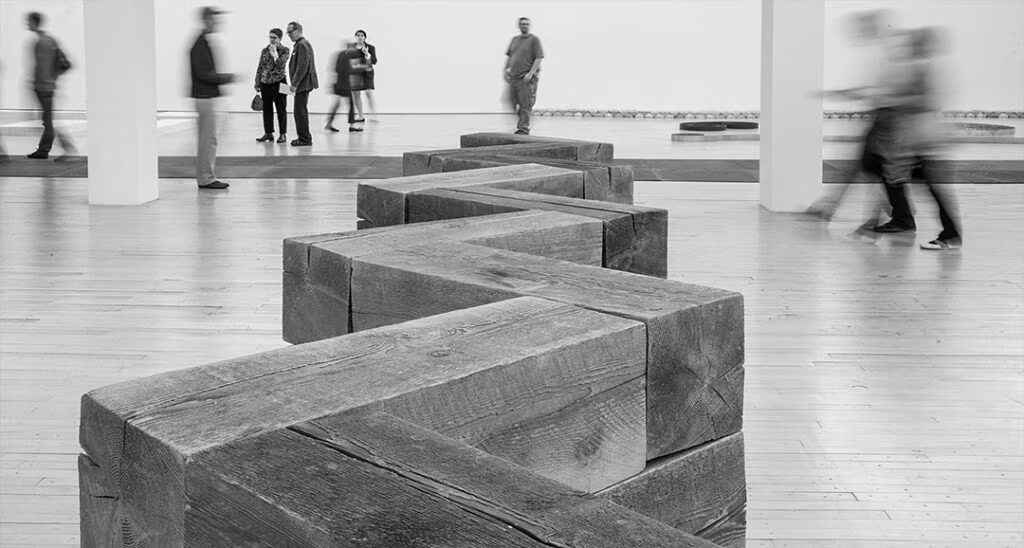
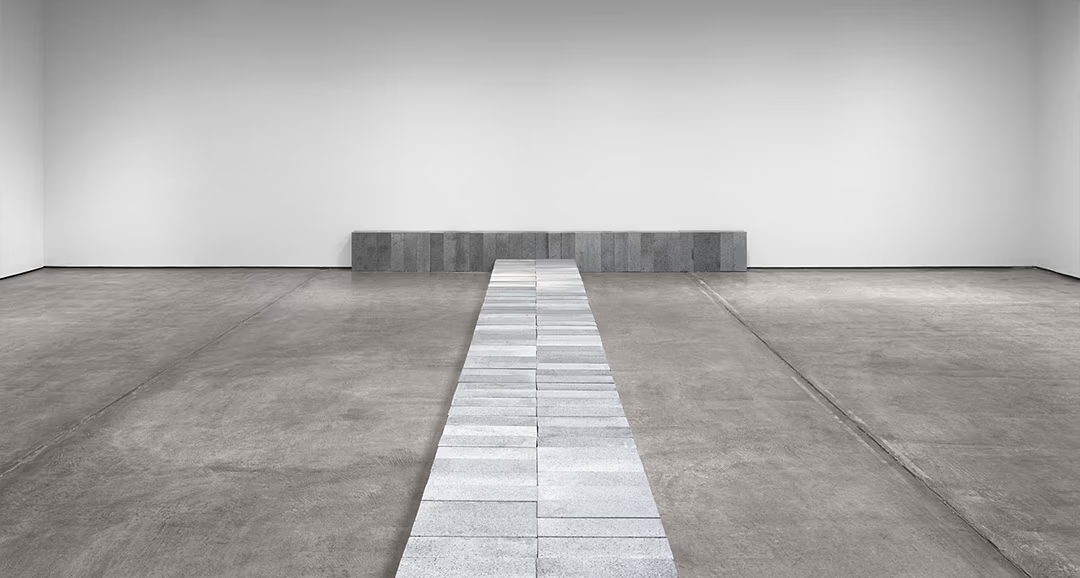
Carl Andre, throughout this process, produces sculptures that come to symbolize a rupture with Modernism, owing to the extraordinary materials and dimensions of his works. Andre’s multiple-unit object arrangements are likewise rendered meaningful through a paradox: the effort to make raw material sensibilities such as stone and floor tiles serve as components of composite structures, a spiritual dimensionality that conceals their depth and thickness, and a sense of ordinariness. Carl Andre, aligning the idea of sculpture with this principle of surface-material and sequential, variable arrangement, continues to develop this approach as a radical and inexhaustible strategy of resolution.
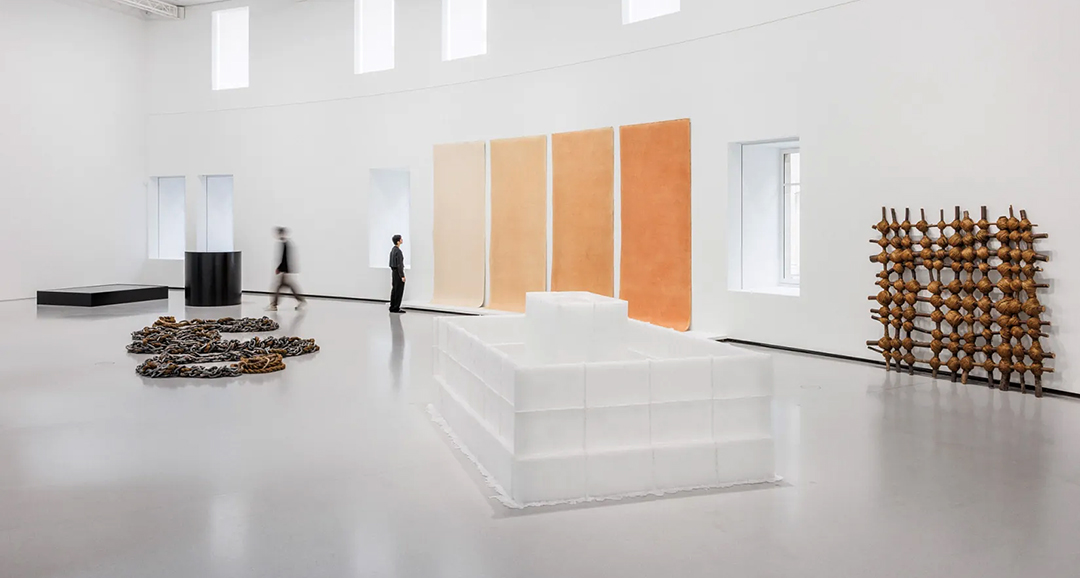
In summary, Minimalist artists advocate an understanding of art that finds meaning in pure self-sufficiency rather than in the representational adequacy of form, proposing their own internal orders as the work itself. Many of them therefore appear to exist within an objective silence. It is certain that, by foregrounding balance, symmetry, and order as indicators of a rational approach, and through their choice and use of industrial materials that lie outside the established categories of art, they developed an effective artistic practice.
notlar
1 Hal Foster, Gerçeğin Geri Dönüşü / The Return of the Real, Translation: Esin Hoşsucu, Ayrıntı Publication, May 2009, İstanbul. sf. 63-69.
2 Bkz. Rosalind Krause, Modern Heykelin Dehlizleri / Passages in Modern Sculpture, Translation: Sibel Erduran, Everest Publication, October 2021, İstanbul, sf.302.
Gülay Yaşayanlar & Mümtaz Sağlam Copyright © March 2026, All Rights Reserved.
A FIle on MInImalIsm at Saglamart
minimalism 3 / the abstract and isolated form of an object
minimalism 4 / rhythm and repetition the cultural implications of action
A COLLECTION EXHIBITION
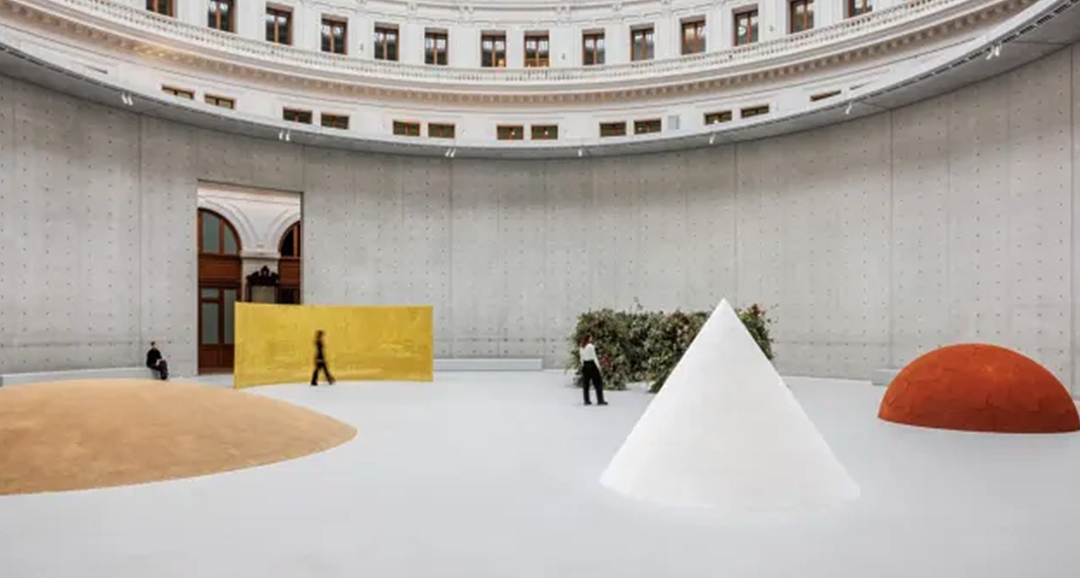
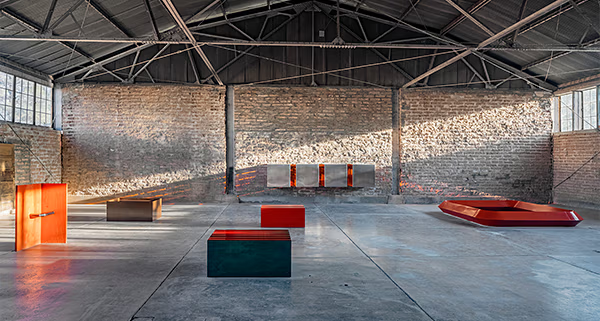
Exhibition view from Minimal, Bourse de Commerce – Pinault Collection, 2nd Floor: Materialism, Gallery 5.
MINIMALIST ARTISTS
MInImalIst ArtIsts at Saglamart
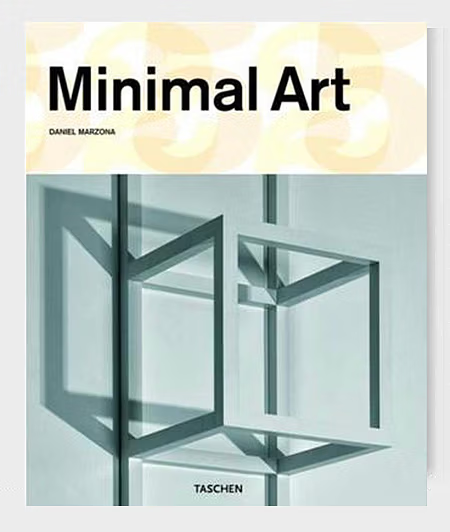
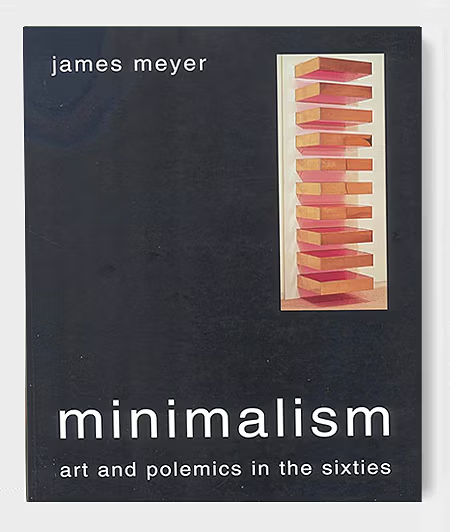
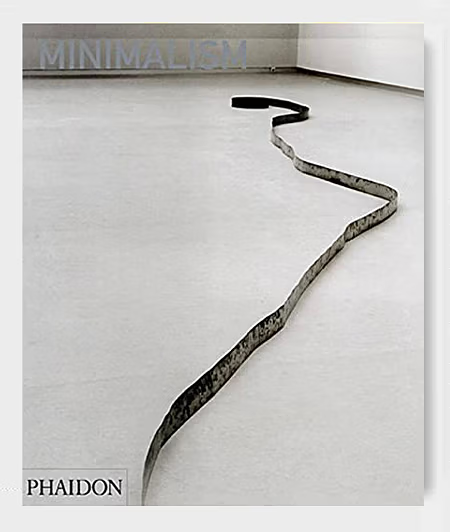
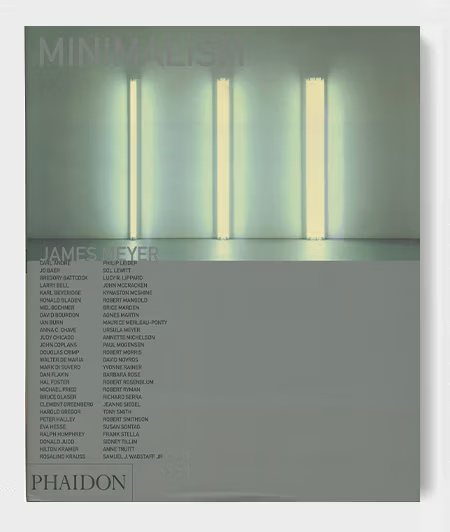
MINIMALISM / 5 BOOKS
Daniel Marzona, Minimal Art, Tashen Deutschland, 25. Edition, German, Hardcover, 200 pages, 2009.
James Meyer, Minimalism / Art and Polemics in the Sixties, Yale University Press, English, Paperback, 340 pages, August 2004.
Minimalism, Edited by James Meyer, Phaidon Press, English, Soft Cover, 200 pages, June 2010.
Minimalism, Edited by James Meyer, Phaidon Press, English, Paperback, 304 pages, March 2005.
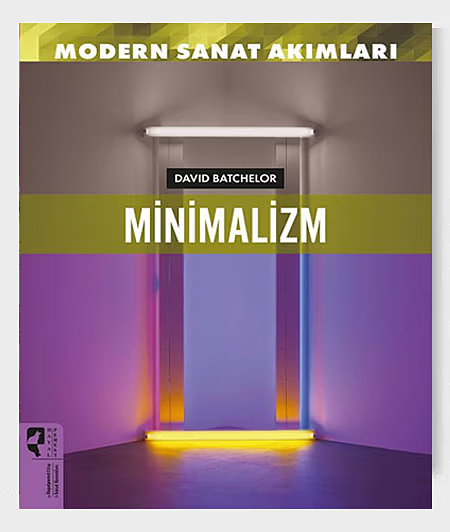
David Batchelor, Minimalizm, Translation: Tüles Üresin, Hayalperest Publication, Turkish, Paperback, 96 pages, İstanbul 2025.
saglamart; dinamik bir anlayış ile hareket eden, kültür-sanat ortamındaki olay ve olgulara, sanatçı tavırlarına, yapıtlara ve yayınlara odaklanan bağımsız bir yayın etkinliğidir. Tüm hakları saklıdır. Görüntü ve yazılar izinsiz kullanılamaz. / saglamart is an independent publishing initiative driven by a dynamic vision, focusing on events and developments in the cultural-artistic landscape, artist perspectives, works, and publications. All rights reserved. Images and texts cannot be used without permission.