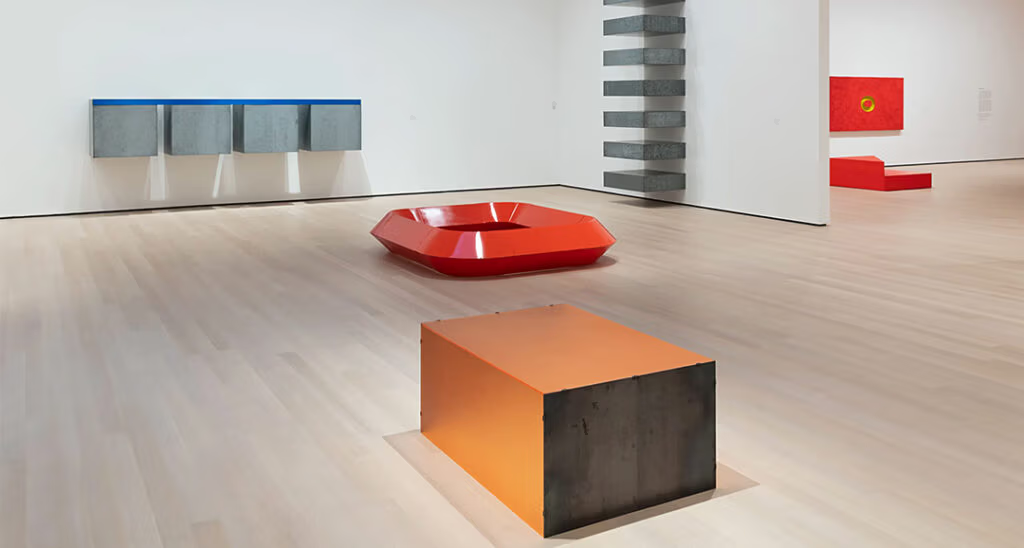
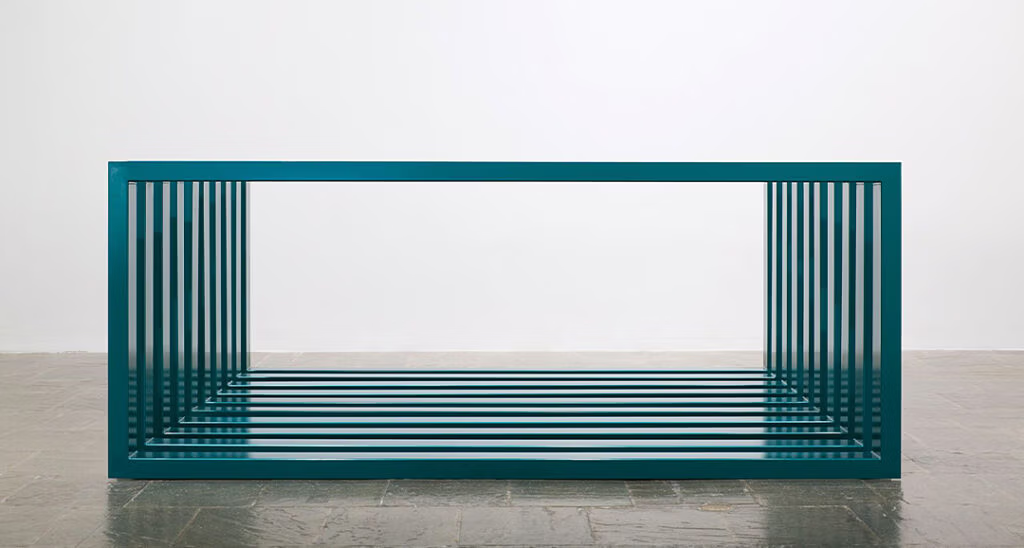
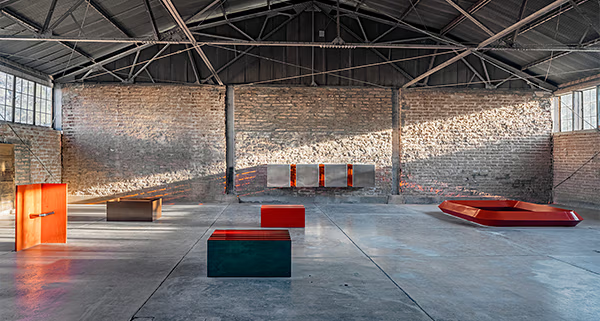
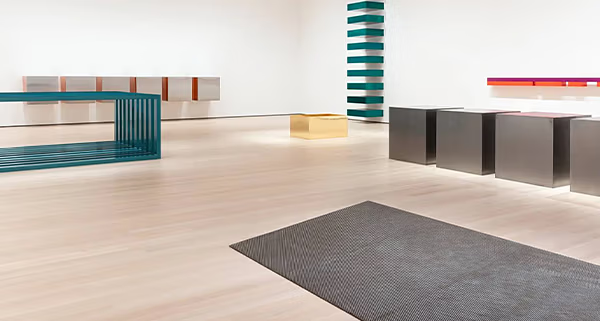
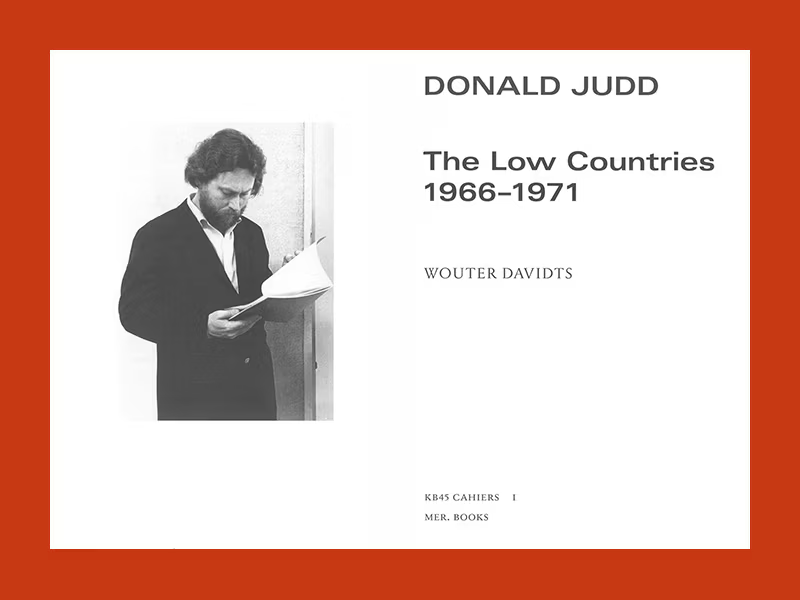
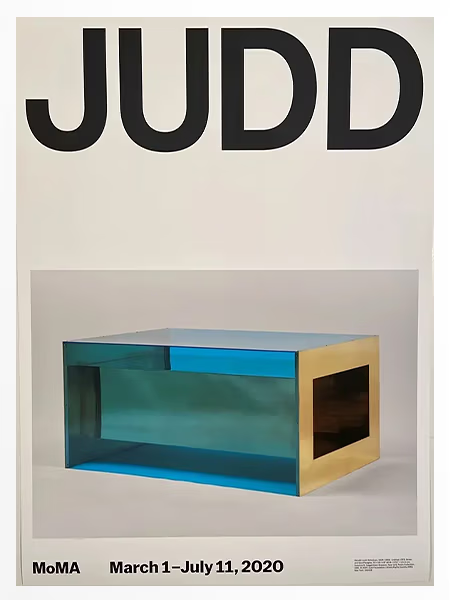
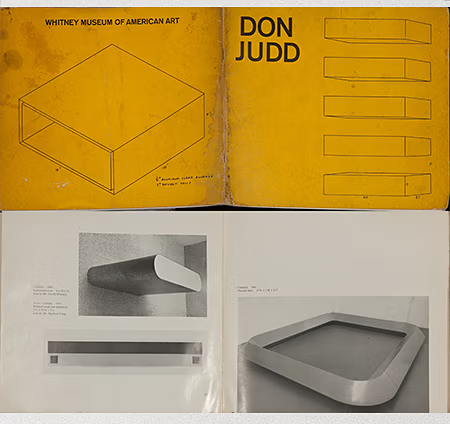
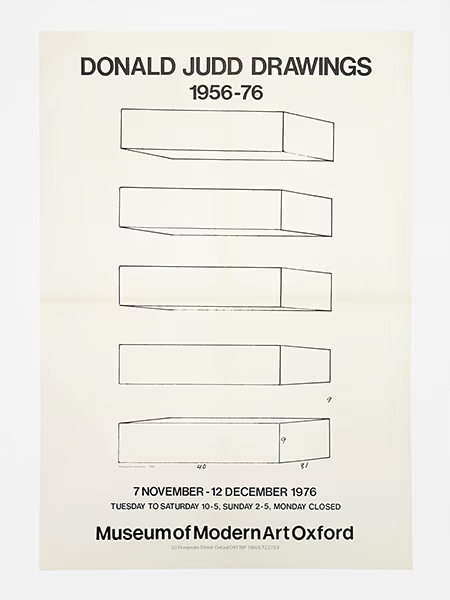
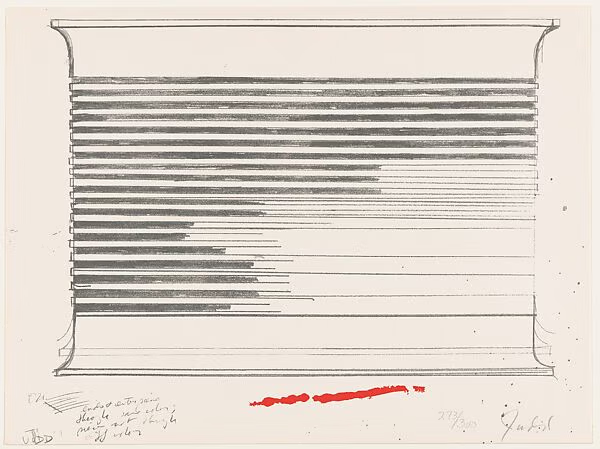
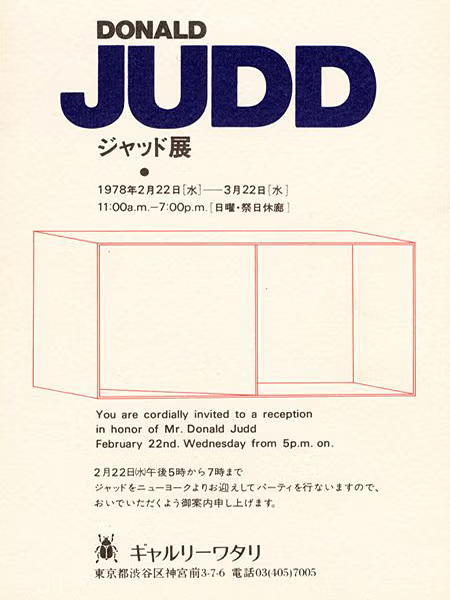
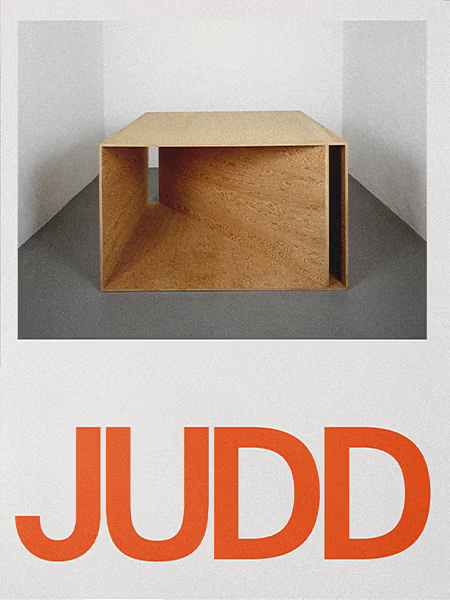
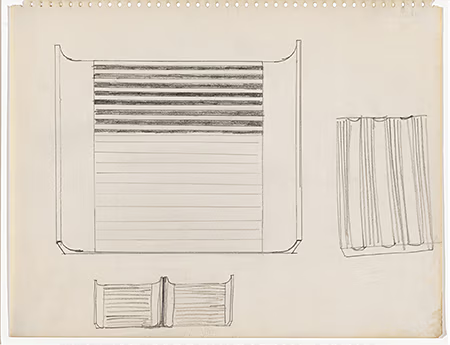
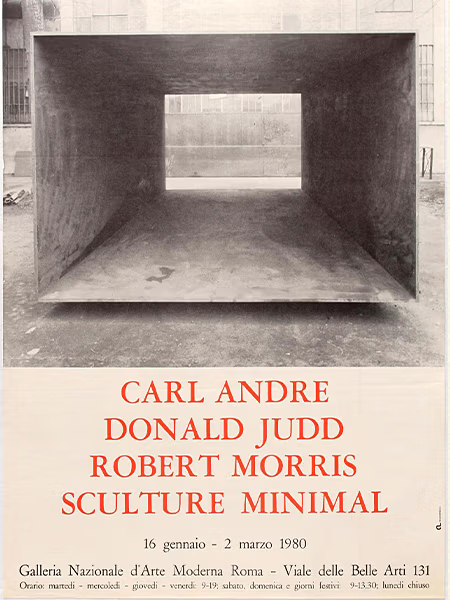
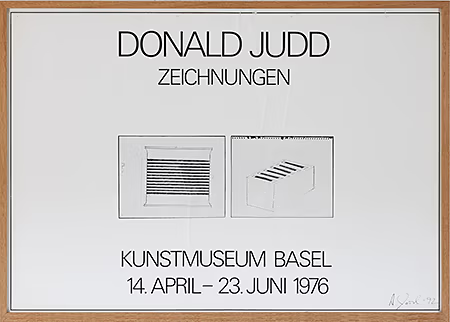
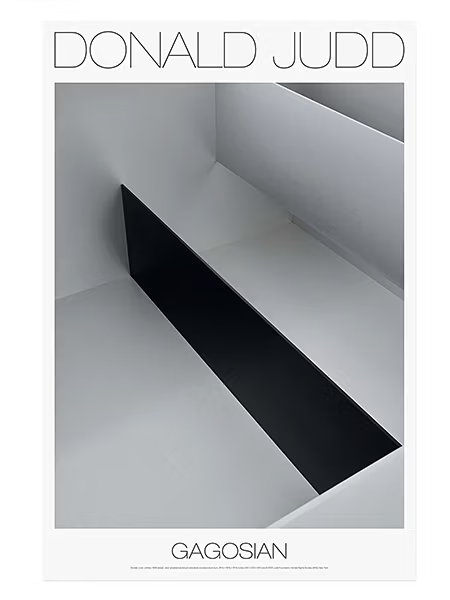
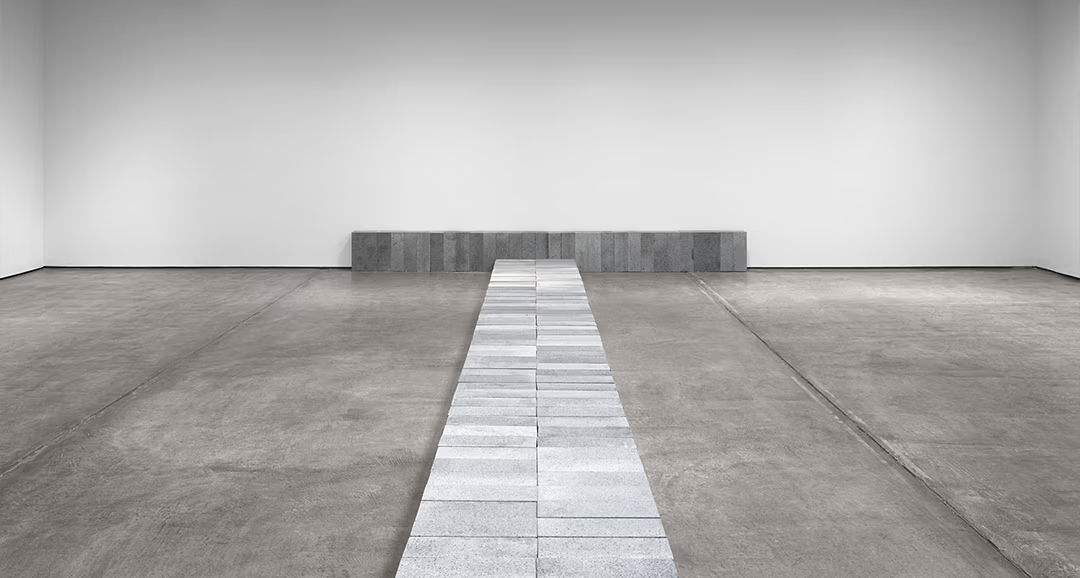
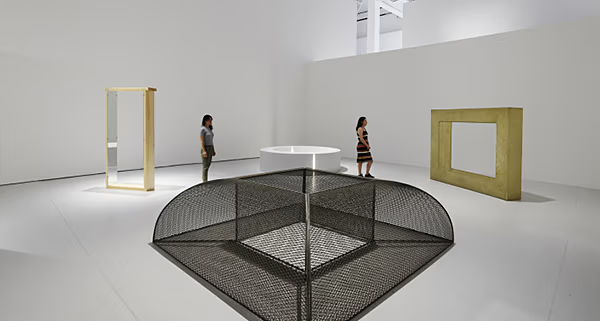
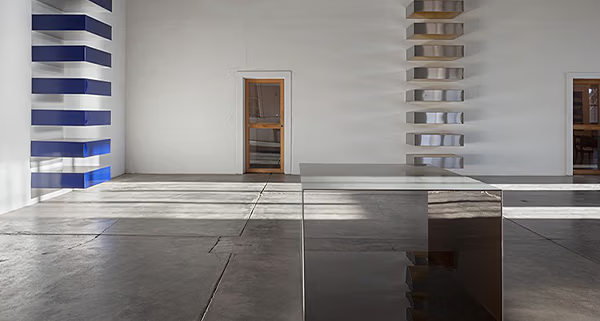
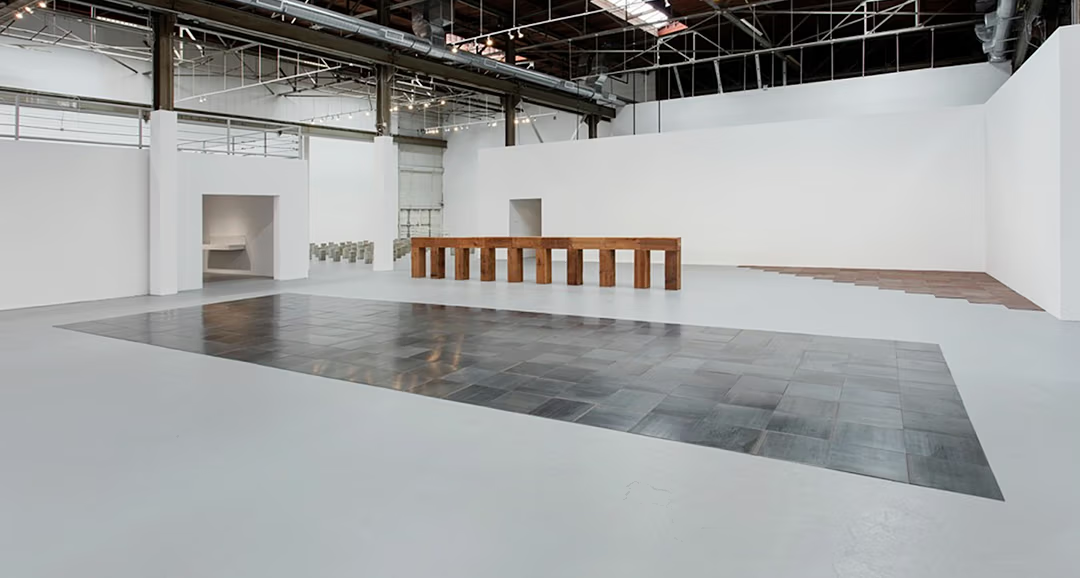
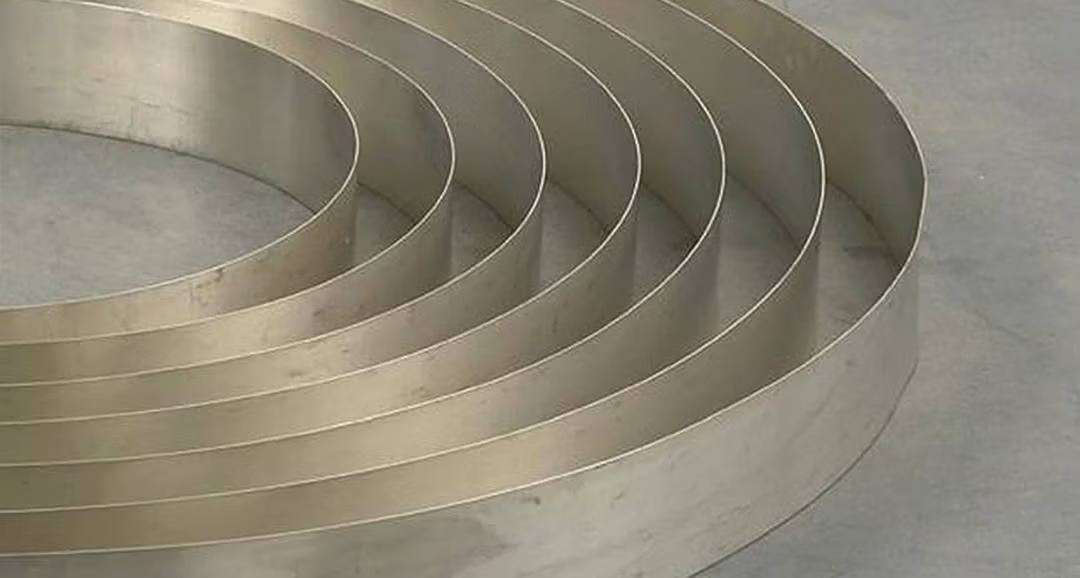
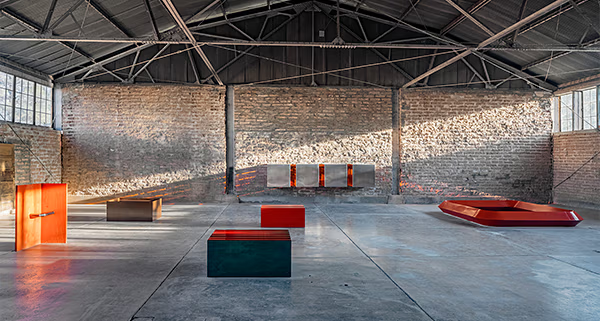
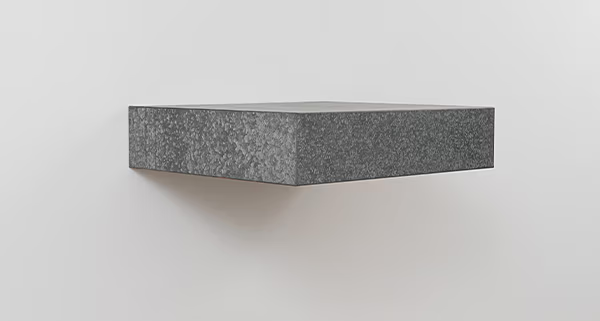
Donald Judd’s art concerns the attaInment of an object-level dImensIon through a late-modern transformatIon medIated by the development of pIctorIal language and Image strategy. In the fIrst half of the 1960s, thIs observatIon can be explaIned by a process of sImplIfIcatIon In whIch movement and Image are channelled Into shaped metal surfaces and curves. Here, the work -whIch, In Judd’s own words, transforms Into a defIned object or sculpture- Is also descrIbed as a crItIcal abstractIon, an InvestIgatIon and an aesthetIc game. In thIs context, the wall sculptures composed of stacked boxes (the ‘Stack’ and ‘Progression’ serIes) represent an endeavour structured In accordance wITh condItIons of order, dIscIplIne and balance, and completed through a dImensIonIng achIeved through the Interplay wIth space.
Donald Judd, moving from painting toward sculpture, characterizes his series of works composed of identical wall-mounted units produced through radical experimentation as specific objects, in keeping with the term he employed in his 1965 manifesto. The works Judd created through an approach of extreme reduction and radical abstraction carry a quality of detached spatial effect. Conceiving his objects within an equivalent relationality in their dialogue with space, Judd operates with the intent of creating a minimalist and unsettling plane derived from form and structural composition. He thereby diffuses a spirit of minimal transcendence, legitimized through the potential for interrogating the causality and uniformity of the perceivable, across objects and space. By withdrawing the sensory perception provoked by things and ideas within an abstract and ambiguous relational environment, he restores, within an aesthetic mise-en-scène, a rigidity emanating from pure appearance. Through his hard edges and angular boundaries, mediated by continuously repeated and newly impossible forms, he leaves nothing behind from the plane of perceived coherence and immanence.
the abstract and singular form of an object repeated in a direct dimension
Donald Judd first attracted attention in the early 1960s with his rows of wall-mounted boxes. He is recognized for the simplicity and austerity of his works. He adopts a movement of repetition-based placement and order-making, arranging similar forms at regular intervals. This act acquires a distinct significance as an effort to neutralize the possibilities of meaning. The functional and semantic value, or use-value, carried by the repeated form as an object is also clearly bypassed. Furthermore, the environment established through adherence to stacking order and formal discipline is found to be thoroughly bound up with a minimal aesthetic. A forceful structural discourse has thus been developed around the abstract and singular state of the repeated object in an immediate dimension, its distanced solitude.
Donald Judd’s art is concerned with the transformation of painting into the dimension of object through a late modern turn, traced through the evolution of pictorial language and image strategy. In the first half of the 1960s, this observation can be explained through a process of reduction in which movement and image arrive at shaped metal surfaces and curves. The work, transformed here into what Judd himself terms a specific object or sculpture, is also described as a critical abstraction, an investigation, and an aesthetic exercise. In this context, his wall sculptures composed of stacked boxes, the stack and progression series, represent an endeavor completed through a dimensionality entered into with void, within a structure conforming to the conditions of order, discipline, and balance. Accordingly, whether the void surrounding the intermittent object arrangement produces a cultural spatial effect or lends a psychological dimension to the sculpture has remained a persistently open question. For the interior spatial mediation of the elements constituting the sculpture, together with their material neutrality, seems to have settled for a visuality that remains displaced yet faithful to repetition and rhythm.
a minimalist spirit of transcendence that spreads through and finds its legitimacy in objects
Conceiving his objects within an equivalent relationality in their dialogue with space, Judd operates with the intent of creating a minimalist and unsettling plane derived from form. He diffuses across objects and space a spirit of minimal transcendence, one legitimized through the potential for interrogating the causality and uniformity of the perceivable. By withdrawing the sensory perception provoked by things within an abstract and ambiguous relational environment, he reconstitutes, within an aesthetic mise-en-scène, an expanded rigidity emanating from pure appearance. While constructing newly impossible forms repeated through hard edges and angular boundaries on one hand, he leaves nothing behind from the plane of immanence on the othera
notes
1 Hal Foster, Gerçeğin Geri Dönüşü / The Return of the Real, Translation: Esin Hoşsucu, Ayrıntı Publishing, May 2009, İstanbul. pg. 74.
Specific Objects is one of the most influential manifestos in art history. In this text, published in 1965, Donald Judd argued that the two fundamental categories of Western art -painting and sculpture- were becoming obsolete, and he gave the name specific objects to works that transcended the boundaries of both categories. Objects defined in this way are neither paintings nor sculptures. They represent nothing other than themselves; they exist within a new category of their own. They are predominantly made of industrial materials, are three-dimensional, and can stand on a wall or the floor but are without a plinth. This ambiguous space between categories is, according to Judd, precisely the most productive area. The intellectual focus of the essay lies in the opposition to illusion. Here, Judd defends real space. He finds the relationship a physically existing object establishes with space to be strong and authentic. Judd embodies this in his own practice. The galvanised steel and plexiglass boxes he uses create no illusion. The object stands there; it merely reflects light; it influences the surrounding space.
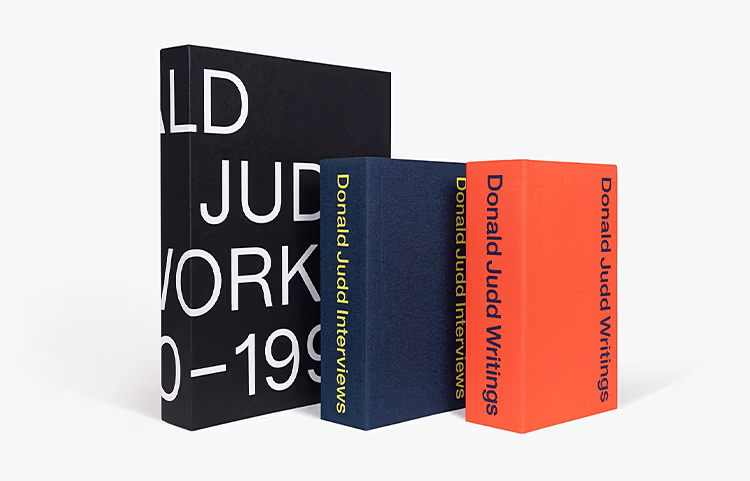
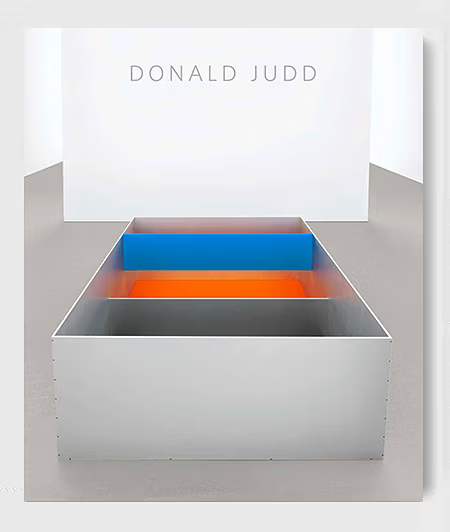
Donald Judd: Artworks 1970–1994, by Donald Judd (Author), Flavin Judd (Foreword), Contributor: Johanna Fateman, Lucy Ives, Thessaly La Force, Branden W. Joseph, Anna Lovatt, Lauren Oyler, Michael Stone-Richards, Mimi Thompson, Marta Kuzma, Wendy Perron, English, Hardcover,284 pages, David Zwirner Books, February, 2022.
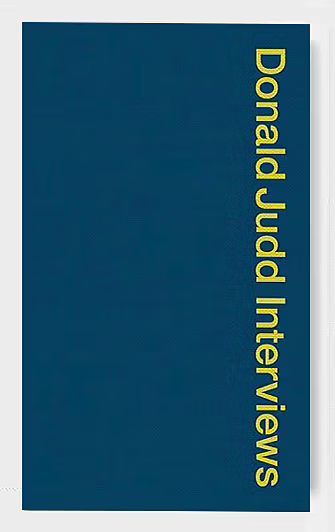
This three-volume set, curated and meticulously designed by David Zwirner Books, highlights the enduring influence of Judd’s art and his striking visual language. The comprehensive volume Donald Judd: Artworks 1970–1994 comprises a selection of Judd’s iconic and ambitious works, alongside a variety of critical essays. Donald Judd Writings, meanwhile, is a collection comprising hundreds of pages of Judd’s essays, notes and letters, some of which have never been published before. Furthermore, the third volume, Donald Judd Interviews, is also meticulously compiled, presenting sixty interviews conducted with the artist over a forty-year period and stands out as the first compilation of its kind.
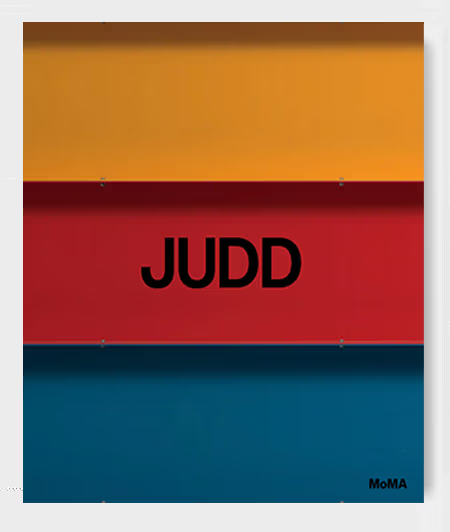
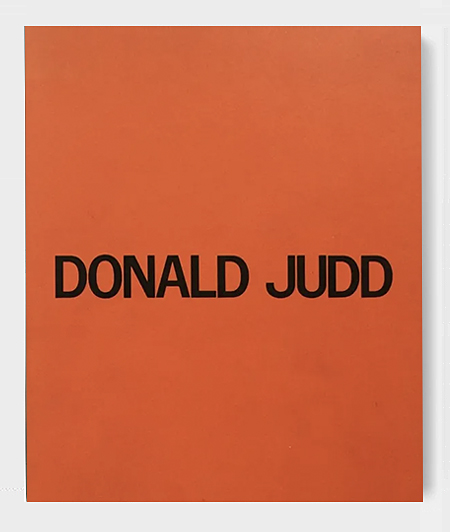
Judd, Edited by Ann Temkin. With contributions by Erica Cooke, Tamar Margalit, Christine Mehring, James Meyer, Annie Ochmanek, Yasmil Raymond, and Jeffrey Weiss, Hard Cover, 304 pages, Publisher: The Museum of Modern Art-Moma, New York, March 2000.
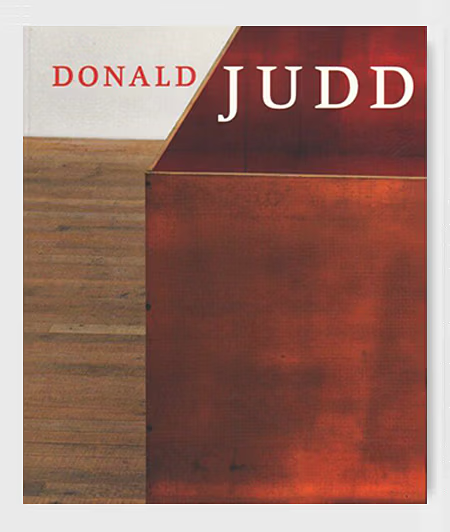
Donald Judd, Contributors Nicholas Serota (Director of the Tate), Rudi Fuchs, Richard Schiff and David Raskin, and David Batchelor, English, Softcover, 288 pages, Published by D.A.P/Tate,
Donald Judd, Text by Richard Shiff. Interview with the artist by Jochen Poetter, Designer: Margaret Bauer, David Zwirner Books & Steidl, Printer: Steidl, Göttingen, Germany, English, German, Hardcover, 2011.
Donald Judd: The Early Works 1955-1968 by Donald Judd (Author), Thomas Kellein (Editor) English, 184 pages, Hardcover, D.A.P. / Distributed Art Publishers, Inc., September 2002.
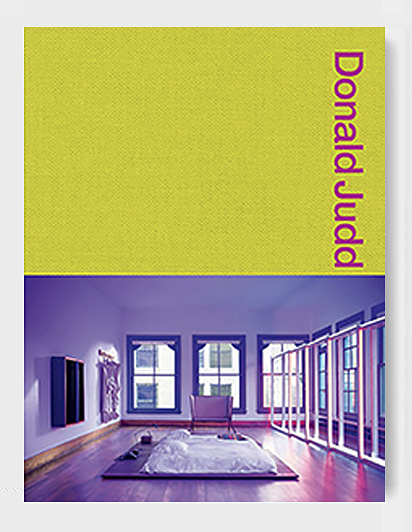
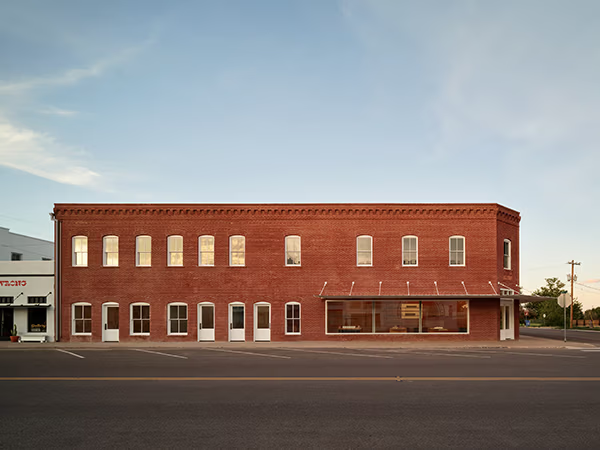
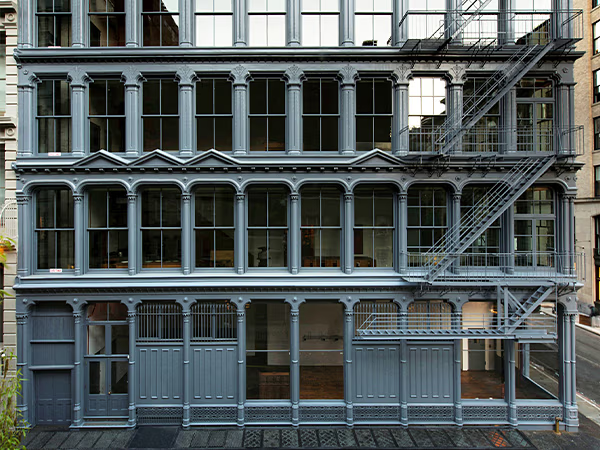
Donald Judd Spaces: Judd Foundation New York & Texas, by Donald Judd (Author), Editor: Flavin Judd and Rainer Judd, Judd Foundation (Editor), 400 pages, English, 400 pages, Hardcover, Publisher: Prestel, February 2020.
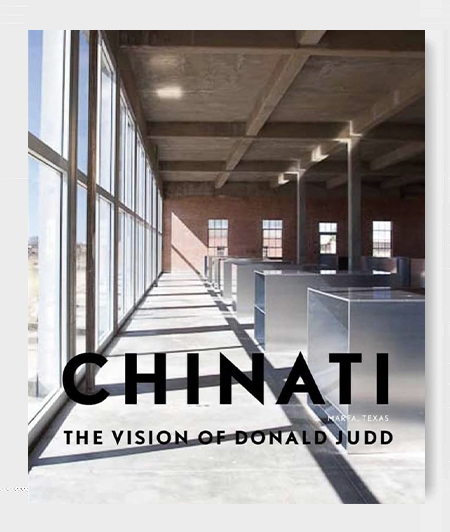
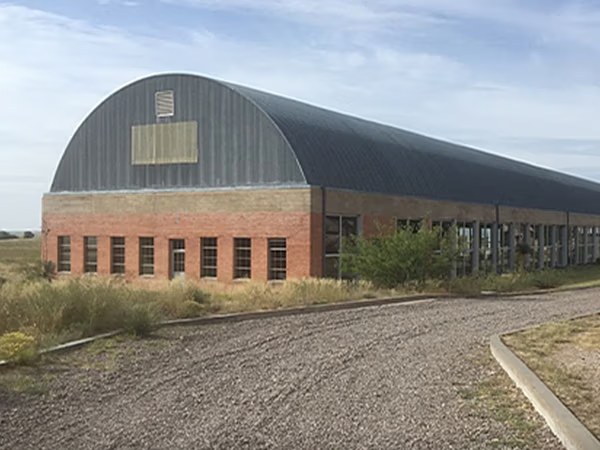
Chinati: The Vision of Donald Judd, Contributors: Jenny Moore and Marianne Stockebrand, 352 pages, 184 color and, 68 black-and-white illustrations, co-published by the Chinati Foundation, Yale University Press, and Hatje Cantz, Second Edition, Spring 2020, Marfa/Texas.
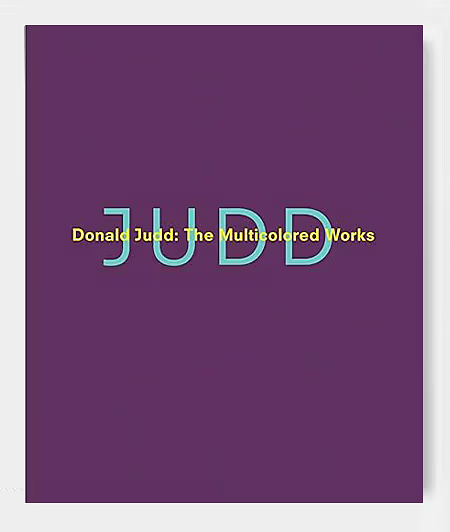
Donald Judd: The Multicolored Works by Marianne Stockebrand (Author, Editor), Authors: William C. Agee, Rudi Fuchs, Donald Judd, Adrian Kohn, Richard Shiff, Hardcover, English, 304 pages, Yale University Press, December, 2014.
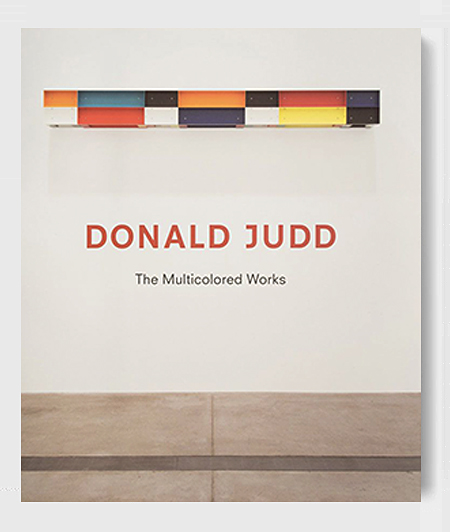
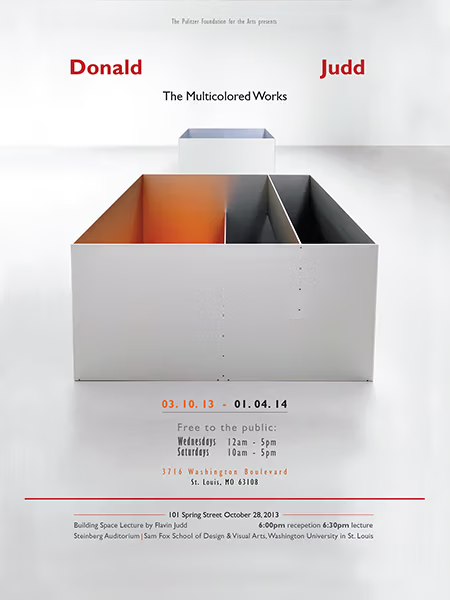
Donald Judd: The Multicolored Works, by Donald Judd (Author), English, 56 pages, Paperback, The Pulitzer Foundation for the Arts, First Edition, January 2013.
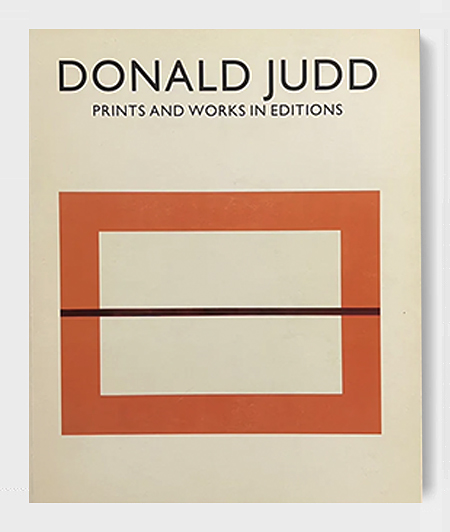
Donald Judd: Prints and Works in Editions, Edition Schellmann 1993 Catalogue raisonné of prints and multiples by Donald Judd, Contributions by Rudi Fuchs, Mariette Josephus Jitta and Jörg Schellman, 152 pages, English, Hardcover, 1993.
Donald Judd Spaces: Judd Foundation New York & Texas, by Donald Judd (Author), Editor: Flavin Judd and Rainer Judd, Judd Foundation (Editor), 400 pages, English, 400 pages, Hardcover, Publisher: Prestel, February 2020.
Chinati: The Vision of Donald Judd, Contributors: Jenny Moore and Marianne Stockebrand, 352 pages, 184 color and, 68 black-and-white illustrations, co-published by the Chinati Foundation, Yale University Press, and Hatje Cantz, Second Edition, Spring 2020, Marfa/Texas.
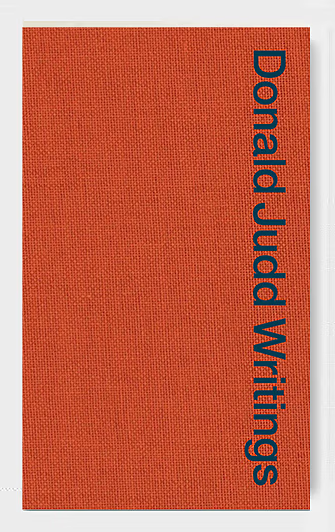
Donald Judd Writings, by Flavin Judd (Editor), Caitlin Murray (Editor), English, Hardcover, 1056 pages, MACK Press, May, 2025.
Donald Judd Interviews, by Flavin Judd (Editor), Caitlin Murray (Editor), 1008 pages, English, Paperback, Judd Foundation / David Zwirner Books, November, 2019
saglamart; dinamik bir anlayış ile hareket eden, kültür-sanat ortamındaki olay ve olgulara, sanatçı tavırlarına, yapıtlara ve yayınlara odaklanan bağımsız bir yayın etkinliğidir. Tüm hakları saklıdır. Görüntü ve yazılar izinsiz kullanılamaz. / saglamart is an independent publishing initiative driven by a dynamic vision, focusing on events and developments in the cultural-artistic landscape, artist perspectives, works, and publications. All rights reserved. Images and texts cannot be used without permission.