
christopher wool / language paintings
a visual strategy that destabilises meaning
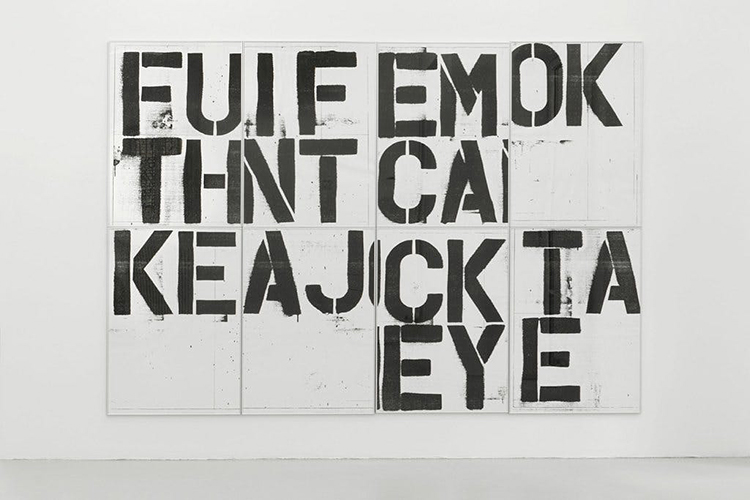
Christopher Wool, Untitled (Billboard Graz), 1991/2019, 240 × 340 cm. Photo by Jens Ziehe, Berlin. © Christopher Wool. [Image: https://bombmagazine.org/articles/2024/07/22/christopher-wool-by-paul-stephens/]
Christopher Wool produces canvases composed of letter clusters and words using stencils in the late 1980s. Wool, who addresses language as a subject in the context of letter and word structures as symbolic elements, attempts to transfer the visual effect of advertising billboards, slogans, and graffiti encountered in urban spaces onto pictorial surfaces. He foregrounds the visual language of graphic elements, textual elements that generally have a communicative function, as abstract forms. This minimal typographic representation, in its present state, is like a broken, fragmented, or disrupted syllabic arrangement game. It is more visible than legible; decontextualized and liberated from its meanings and narratives. It is concerned more with the issue of visual language and abstraction. Consequently, what is at stake here is a conceptual level emphasized beyond literal meaning. This fictive shaping, which attains pictorial quality through the stained images created and painted traces that are scribbled over or erased, transforms into magnificent-abstract paintings based on letter applications that change direction, dimension, and color.
In Wool’s paintings, the texts he selects -all in capital letters- with the aid or effect of stencils appear as if reflected onto the canvas through an immediate state of mind. This production, also supported by manipulated printing processes, consists of a controlled abstract and conceptual language organization that perpetuates pictorial language. Here, one must also consider the distance and tension sensed between the phenomenon of expression that spontaneously forms with a perception that also keeps Pop Art associations in reserve. Clearly, this aphoristic textual visuality, filled with striking expressions reminiscent of a code system, conveys messages in negative tones by disrupting sequencing principles with disconnected and interrupted letter arrangements.
This single-word and fragmented sequence, which presents the tightest synthesis of Wool’s graphic style and conceptual strategy, is actually the purest and most reduced version of his thoughts on language. He wants to demonstrate that a single carefully selected and arranged word can carry as much emotional and conceptual weight as an entire sentence.
The negative tonality that Wool assigns to these text fragments, emerging as a radical mixture of social and aesthetic factors, seems in a sense to reference the debate on the death of painting. Indeed, by stripping language of its fluidity, with divided words resembling syllabification but simultaneously coming alive in the mind as a plastic wholeness with new image possibilities, he actually paves the way for an experimental painting understanding. Through the image-making methods realized here, a layered and controlled chaotic arrangement filled with splashes, confusions, and stains occurring on canvas surfaces is achieved collectively. Wool’s text paintings are therefore characterized as a conflictual yet simultaneously ironic, attractive, and cleverly constructed fiction.
References
Bruce W. Ferguson, “Patterns Of Intent: Christopher Wool”, Artforum, https://www.artforum.com/features/patterns-of-intent-christopher-wool-204009/
Guy Hepner, “Wolls’s Black Book: The Definitive of a Defining Artistic Era”, https://guyhepner.com/news/528-christopher-wool-s-black-book-the-definitive-document-of-a-defining-artistic-era/
Prepared by Mümtaz Sağlam, Copyright © Ocak 2026, Tüm hakları saklıdır.
christopher wool / language paintings
anlamı istikrarsızlaştıran bir görsel strateji
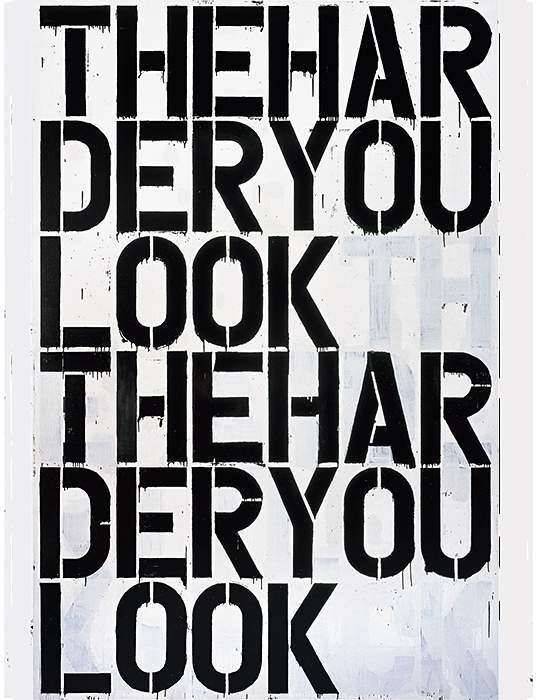
Christopher Wool, If You, 1992-2005, Enamel on aluminum, 91×44 cm.
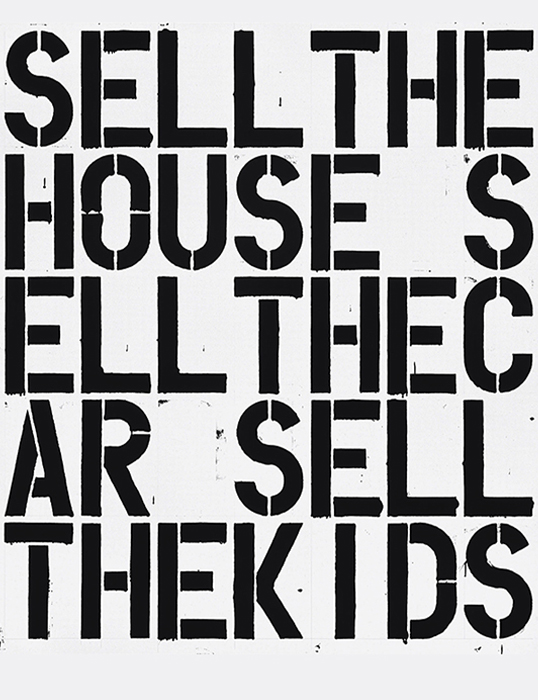
Christopher Wool, Apocalypse Now, 1988, Enamel and flashe on aluminum and steel, 213.4×182.9 cm.
Christopher Wool, 1980’li yılların sonunda şablon kullanarak harf kümeleri ve sözcüklerden oluşan tuvaller üretir. Dili, simge unsurları olan harf ve sözcük yapılanması bağlamında konu olarak ele alan Woll, kentsel alanda yüz yüze gelinen reklâm panoları, slogan ve graffitilerin görsel efektini resim yüzeylerine taşımaya çalışır. Grafik unsurların görsel dilini, genellikle iletişimsel işlevi olan metin unsurlarını, soyut şekiller olarak öne çıkarır. Bu minimal tipografik gösterim mevcut hâliyle, bozuk, parçalı ya da aksak bir hece düzenleme oyunu gibidir. Okunur olmaktan çok görülür olup; bağlamsızlaştırılmış ve anlam ve anlatılarından özgürleştirilmiştir. Daha çok, görsel dil ve soyutlama meselesi ile ilgilidir. Dolayısıyla burada; düz anlamın ötesinde vurgulanan kavramsal bir düzey söz konusudur. Oluşturulan lekeli görüntüler ve üstü karalanmış ya da silinmiş boya izleriyle resimsel niteliğe kavuşturulan bu kurmaca biçimleme; yön, boyut ve renk değiştiren harf uygulamalarına dayalı görkemli-soyut resimlere dönüşür.
Wool’un resimlerinde tamamı büyük harflerden şablon yardımı ya da efektiyle seçtiği metinler, dolayımsız bir ruh hâli üzerinden tuvale yansıtılmış gibi görünür. Manipüle edilen baskı işlemleriyle de desteklenen bu üretim, resimsel dili sürekli kılan kontrollü bir soyut ve kavramsal dil organizasyonundan ibarettir. Burada, Pop Art çağrışımlarını da yedeğinde tutan bir algıyla kendiliğinden biçimlenen dışavurum olgusu arasında duyumsanan mesafe ve gerilimi de önemsemek gerekir. Açıkça, bir kod sistemini andıran çarpıcı ifadelerle dolu bu aforizmatik metin görselliği, kopuk ve kesintili harf düzenlemeleriyle, dizilim esaslarını bozarak negatif tonlarda mesajlar iletir.
Wool’un grafik stilinin ve kavramsal stratejisinin en sıkı sentezini sunan bu tek sözcüklü ve parçalı dizilim, aslında dil’e ilişkin düşüncelerinin en saf ve indirgenmiş bir versiyonudur. Dikkatlice seçilmiş ve düzenlenmiş tek bir sözcüğün, bir cümlenin tamamı kadar duygusal ve kavramsal ağırlık taşıyabileceğini göstermek ister.
Wool, bu metin parçalarına yüklediği, toplumsal ve estetik etkenlerin radikal bir karışımı olarak beliren negatif tonlama; bir bakıma resmin ölümü tartışmasına gönderme yapar gibidir. Nitekim dili akışkanlığından arındıran, bölünmüş sözcüklerle hecelemeye benzeyen ama aynı zamanda zihninde plastik bir bütünlük olarak canlanan yeni görüntü olasılıklarıyla aslında deneysel bir resim kavrayışının önünü açmaktadır. Burada gerçekleşen görüntü oluşturma yöntemleri üzerinden tuval yüzeylerinde yaşanan sıçramalar, karışıklıklar ve lekelerle dolu, katmanlı ve kontrollü bir kaotik düzenlemeye hep birlikte ulaşılır. Woll’un metin resimleri; bu nedenle, çatışmacı ama aynı zamanda alaysı, çekici ve zekice bir kurmaca olarak nitelendirilir.
Kaynaklar
Bruce W. Ferguson, “Patterns Of Intent: Christopher Wool”, Artforum, https://www.artforum.com/features/patterns-of-intent-christopher-wool-204009/
Guy Hepner, “Wolls’s Black Book: The Definitive of a Defining Artistic Era”, https://guyhepner.com/news/528-christopher-wool-s-black-book-the-definitive-document-of-a-defining-artistic-era/
Derleyen: Mümtaz Sağlam Copyright © Ocak 2026, Tüm hakları saklıdır.
ROAD, YARD AND Westtexaspsychosculpture / 2017

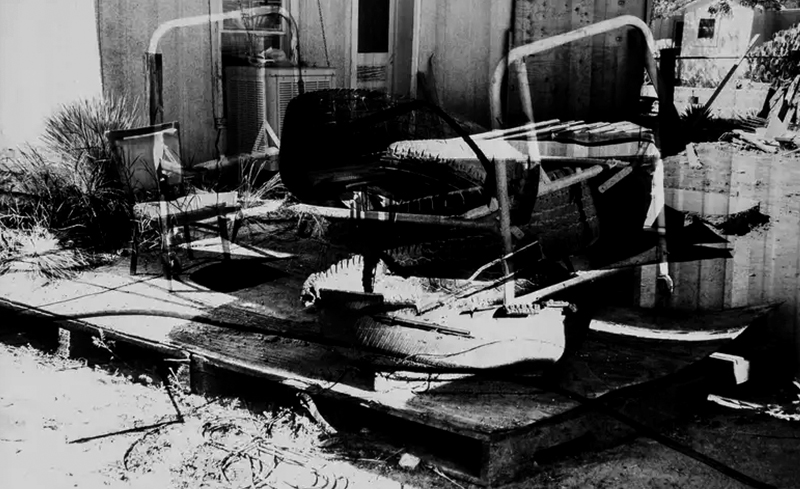
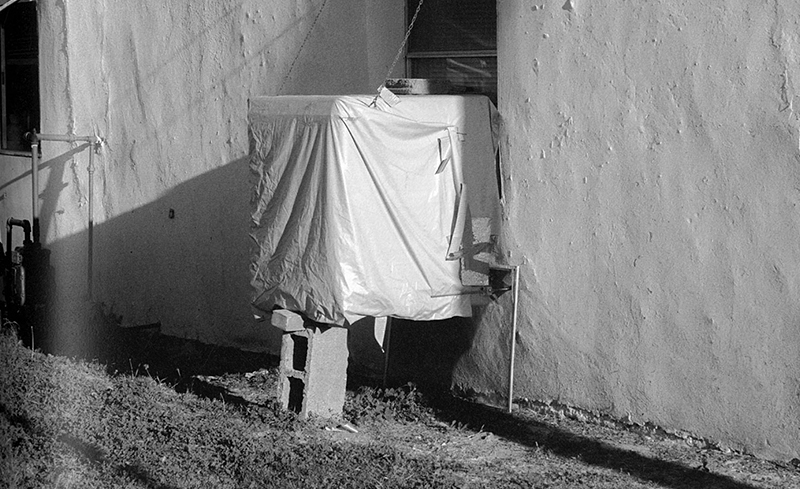

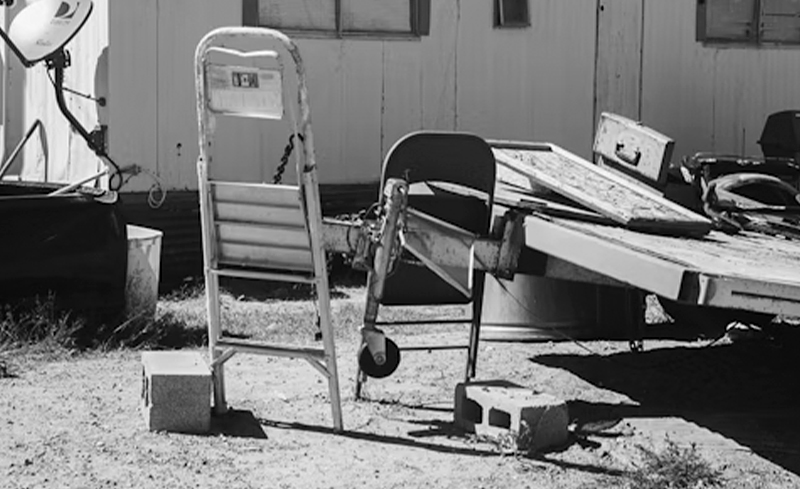
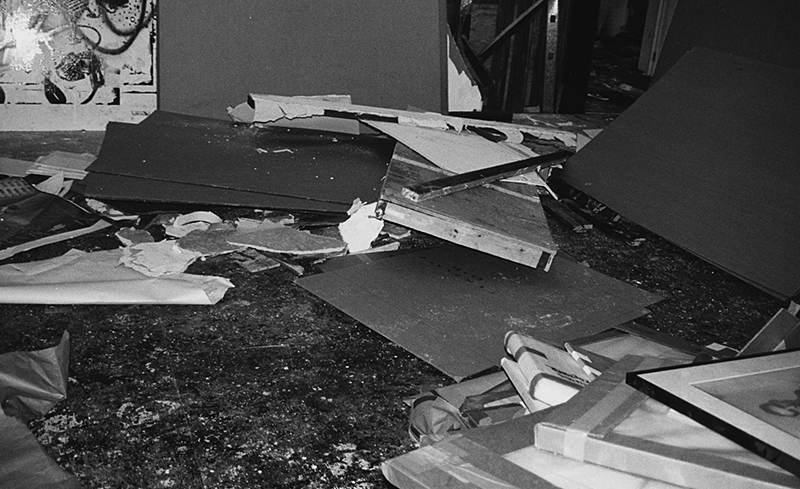
Christopher Wool: Westtexaspsychosculpture, Paperback, August 22, 2017, by Christopher Wool (Artist), 226 pages, English, Holzwarth Publications, Christopher Wool: This book is published in an edition of 1200 copies, signed by the artist.
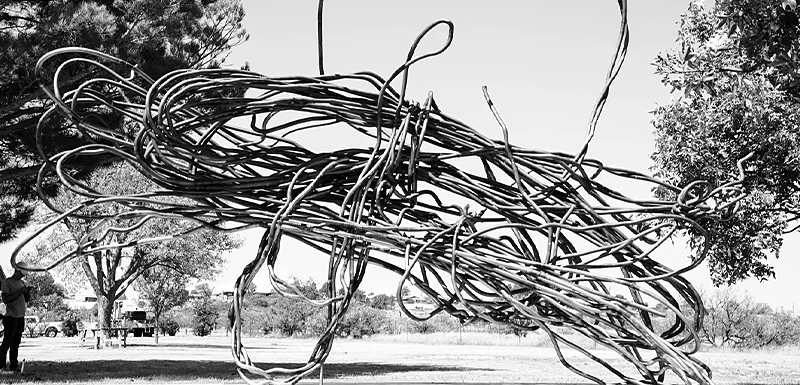
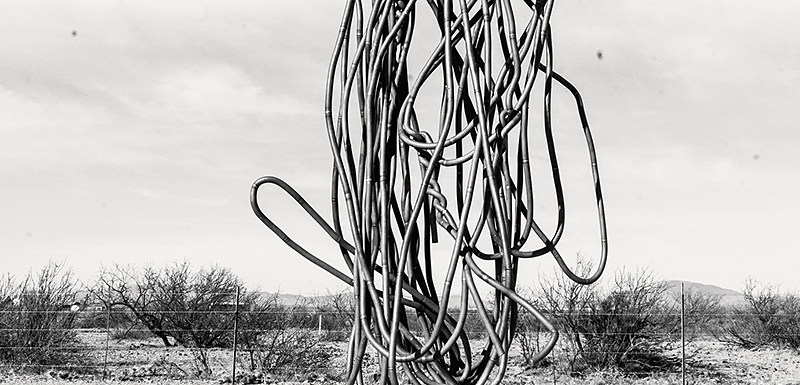
Christopher Wool began to take an interest in photography in the 1980s. For him, photography is a form of expression that allows him to make subtle observations in his surroundings, to engage with the unusual arrangements of objects that arise spontaneously and with negative spaces. Following the artist’s move to Marfa, these high-contrast black-and-white photographs, which effectively reflect the desolate rural landscape of Texas, form the subject matter of two separate books published under the titles Yard and Westtexaspsychosculpture. These sensitive photographs, which capture situations that could be described as a ruin aesthetic using stacked waste materials, support Wool’s idea of an alternative reality shaped by alienation and decay in pursuit of rural landscapes. Abandoned places, industrial waste or piles of metal will undoubtedly construct a new meaning for themselves through this method, bringing Wool closer to a cleverly shaped new practice, three-dimensional arrangements.
Christopher Wool, 1980’li yıllarda fotoğraf ile ilgilenmeye başlar. Fotoğraf onun için, yaşadığı ortamda incelikli gözlem yapabildiği, kendiliğinden oluşan sıradışı nesne düzenlerine ve negatif uzamlara temas edebildiği bir ifade biçimidir. Sanatçının Marfa’ya taşınmasıyla birlikte Teksas’ın kırsal ıssızlığını etkili bir görsellikle yansıtan yüksek kontrastlı bu siyah beyaz çekimler, Yard ve Westtexaspsychosculpture adlarıyla yayınlanan iki ayrı kitabının konusunu oluşturur. İstiflenmiş atık malzemelerle kalıntı estetiği olarak nitelendirilebilecek durumları sabitleyen bu duyarlı fotoğraflar, Wool’un kırsal manzaraların peşinde biçimlenen yabancılaşma ve çürüme temalı alternatif bir gerçeklik fikrini destekler. Metruk yerler, endüstriyel atıklar ya da metal yığınları hiç kuşkusuz, bu yöntemle kendilerine yeni bir anlam inşa ederek Woll’u zekice biçimlenen yeni bir pratiğe, üç boyutlu düzenlemelere yakınlaştıracaktır.
BLACK BOOK / 1989
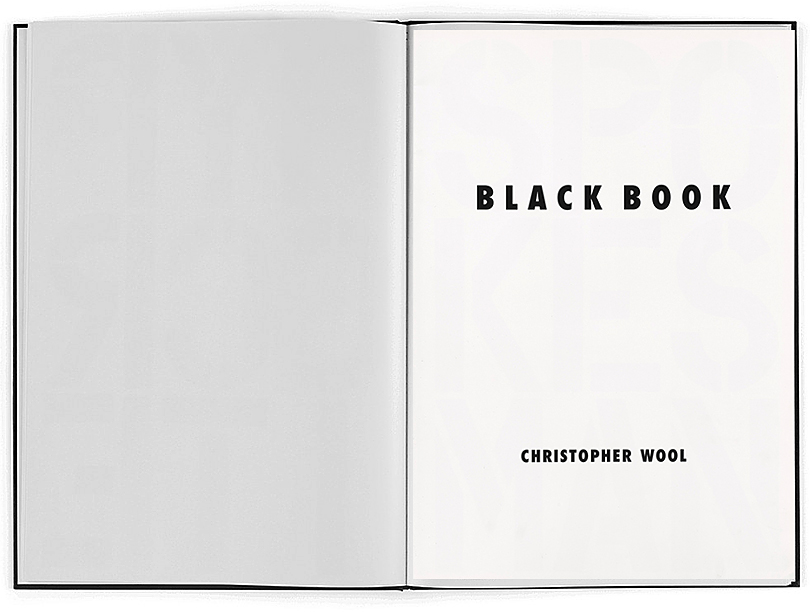
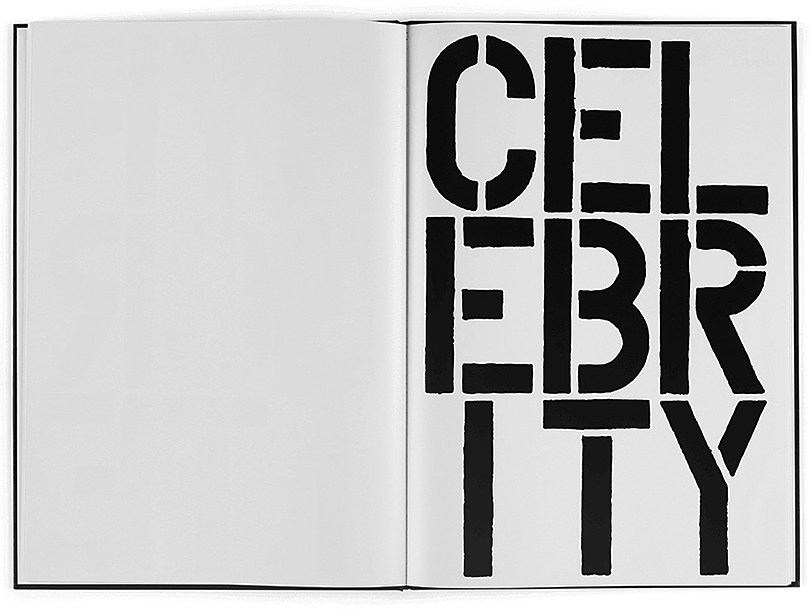
Black Book, Artist: Christopher Wool, 40 Pages, 350 Copies, Publishers: Thea Westreich (New York) and Gisela Capitain (Köln), Print: Studley Press (Massachusetts) 1989. USA.
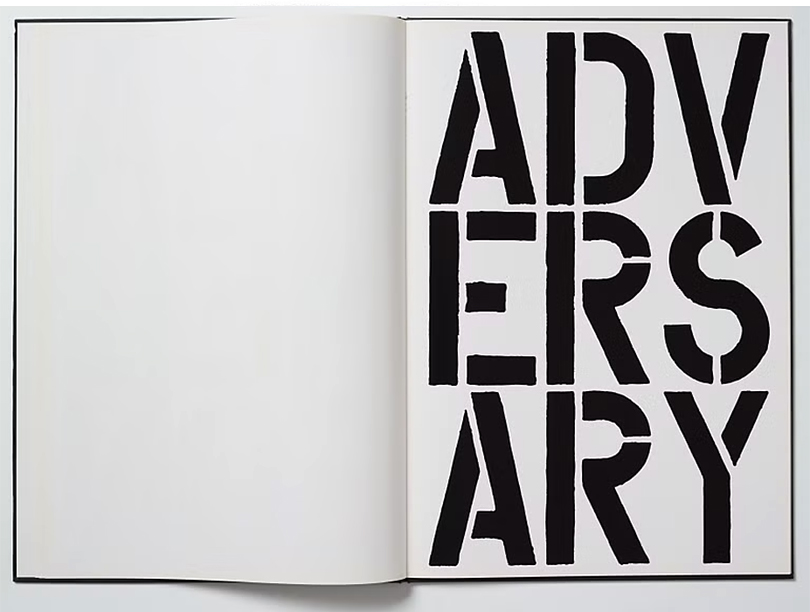
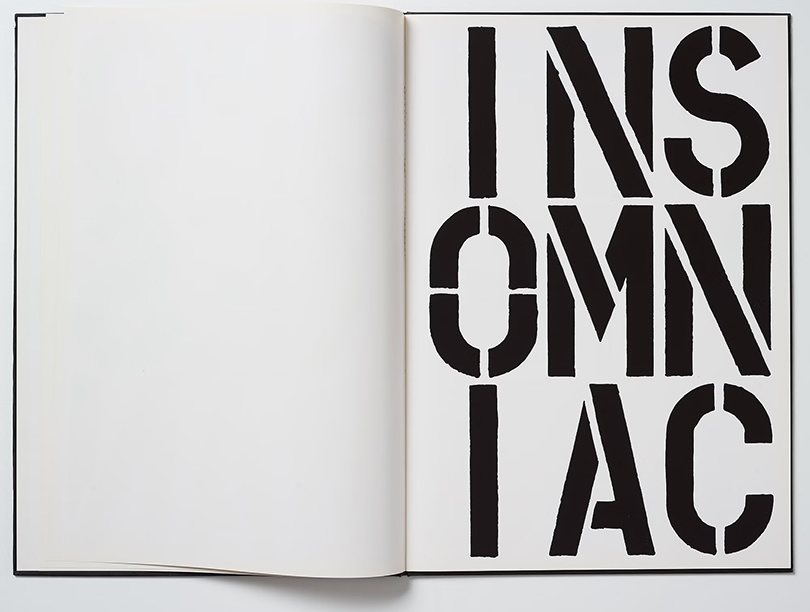
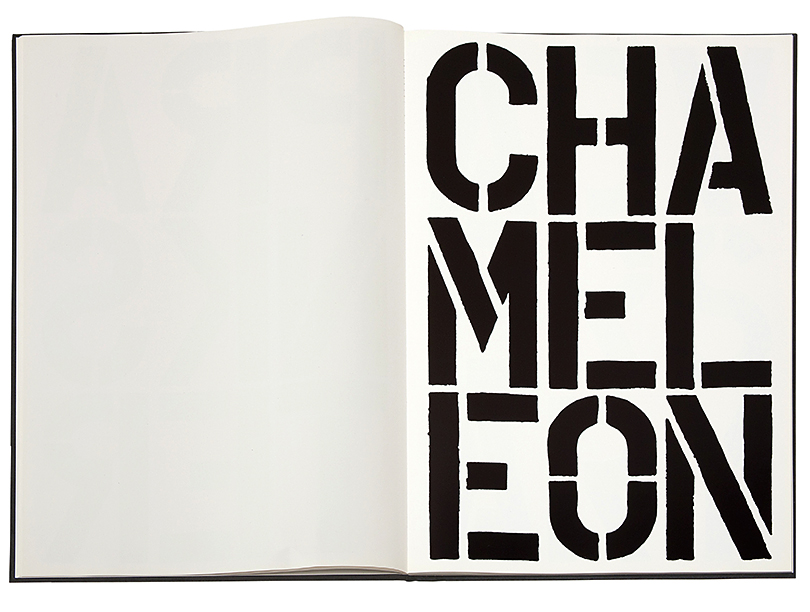
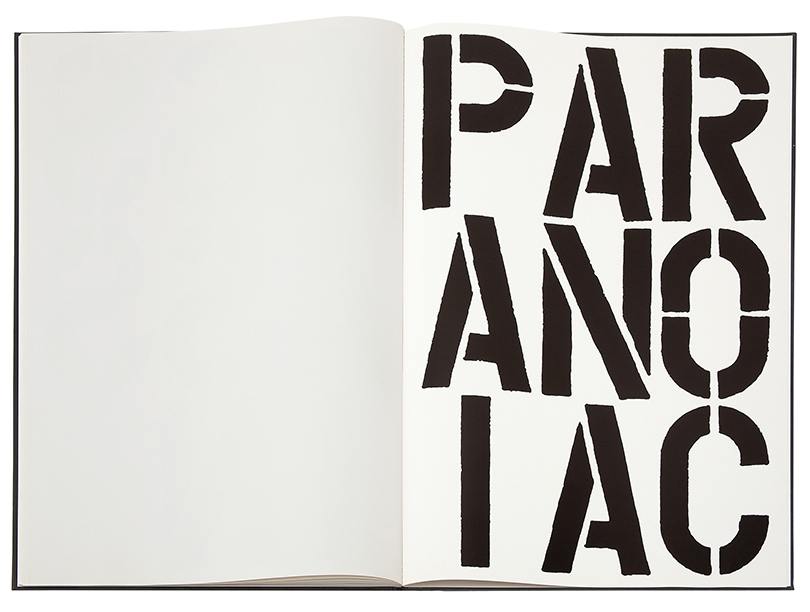
Black Book contains 17 reproductions of Wool’s iconic single-word text images. It clearly reflects Wool’s meticulous design approach. Moreover, it is regarded as a document that reshaped the visual and conceptual nature of contemporary American art. On the other hand, Black Book is also highly significant as an integrated conceptual artwork that reveals the development and origins of the artist’s visual ideology. Working with industrial letter stencils in the 1980s, Wool transfers words composed of capital letters directly onto the canvas surface. In this context, broken word fragments and bold typographic forms with variable spacing, whose legibility is debated, transform into a visual field expressing a visual language that was still surprisingly new in 1989. It also creates a comprehensive narrative about Wool’s early conceptual research. With its fragmented structures, it clearly reveals the instability of language and the distance between reading and seeing. It seeks to show that words, when freed from their syntactic obligations, can behave like images. Thus, the book, which carries a text-based approach into a sharper visual space, stands out as one of the most important artist publications of the last half-century with its measured seriousness and conceptual clarity.
References
Guy Hepner, Christopher Wool’s Black Book: The Definitive Document of a Defining Artistic Era, December 8, 2025. https://guyhepner.com/news/528-christopher-wool-s-black-book-the-definitive-document-of-a-defining-artistic-era/
Anna Heyward, “Christopher Wool: Black Book (1989)”, Gagosian Quarterly, Summer 2017, https://gagosian.com/quarterly/2017/05/01/black-book/
Black Book; Wool’un ikonikleşmiş tek sözcüklü metin resimlerine ait 17 reprodüksiyonu içerir. Wool’un tasarım titizliğini net bir biçimde yansıtır. Dahası günümüz Amerikan sanatının görsel ve düşünsel niteliğini yeniden şekillendiren bir belge olarak kabul edilir. Öte yandan Black Book; sanatçının görsel ideolojisinin gelişimini ve kökenlerini ortaya koyan bütünleşik bir kavramsal sanat eseri olarak da oldukça önemlidir. 1980’li yıllarda endüstriyel harf şablonlarıyla çalışan Wool, büyük harflerden oluşan sözcükleri doğrudan tuval yüzeyine aktarır. Bu kapsamda, kırık sözcük parçaları, değişken espaslarıyla okunabilirliği tartışılan cüretli tipografik biçimler, 1989’da hâlâ şaşırtıcı derecede yeni olan bir görsel dilin ifade edildiği bir görsel alana dönüşür. Ve Wool’un erken dönem kavramsal araştırmaları hakkında bütüncül bir anlatı oluşturur. Parçalı yapılarıyla dilin istikrarsızlığını ve okuma ile görme arasındaki mesafeyi açıkça ortaya koyar. Sözcüklerin, sözdizimsel yükümlülüklerinden arındırıldıklarında, imgeler gibi davranabileceğini göstermek ister. Böylece; metin tabanlı bir yaklaşımı daha keskin bir görsel alana taşıyan kitap, ölçülü ciddiyeti ve kavramsal netliğiyle son yarım yüzyılın en önemli sanatçı yayınlarından biri olarak öne çıkar.
Kaynaklar
Guy Hepner, Christopher Wool’s Black Book: The Definitive Document of a Defining Artistic Era, December 8, 2025. https://guyhepner.com/news/528-christopher-wool-s-black-book-the-definitive-document-of-a-defining-artistic-era/
Anna Heyward, “Christopher Wool: Black Book (1989)”, Gagosian Quarterly, Summer 2017, https://gagosian.com/quarterly/2017/05/01/black-book/
CHRISTOPHER WOOL / BIO
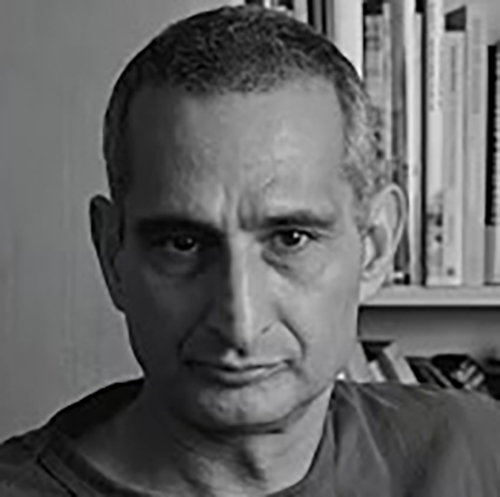
He was born in Chicago in 1955. He lives and works in New York and Marfa (Texas). He studied at the New York Studio School in 1973. In 1986, he created designs, fine and imperfect patterns using black enamel paints on white panels to achieve emotional effects. During this period, he also produced his first graffiti-inspired text paintings using stencils. From the early 1990s to the present day, he has used the silkscreen technique to expand the visual language of his paintings, which rely on a practice of painting, erasing and abrasion. He then created repetitive, layered textures and erased compositions with enamel or spray paint interventions. Woll, who is also closely involved with photography, has published numerous albums/artist books. In 2024, he held a major exhibition entitled See Stop Run in an unusual venue in New York. This exhibition was completed with three large outdoor sculptures and reopened in 2025 at the Brite Building in Marfa.
1955 yılında Chicago’da doğdu. New York ve Marfa’da (Teksas) yaşıyor ve çalışıyor. 1973 yılında New York Studio School’a öğrenim gördü. 1986 yılında beyaz paneller üzerine siyah emaye boyalarla desenler, ince ve kusurlu örüntüler oluşturarak duygusal efektler elde etti. Bu süreçte şablon kullanarak graffiti esintli ilk metin resimlerini de üretti. 1990’ların başından günümüze kadar, bir boyama, silme ve aşındırma pratiğine bel bağlayan resimlerinin görsel dilini genişletmek üzere serigrafi tekniğini kullandı. Ardından emaye veya sprey boyalı müdahalelerle tekrara dayalı, katmanlı dokular ve silinmiş kompozisyonlar oluşturdu. Fotoğrafla da yakından ilgilenen Woll, çok sayıda albüm/sanatçı kitabı yayınladı. 2024 yılında New Yorkta sıra dışı bir mekânda See Stop Run adıyla büyük bir sergi düzenledi. Bu sergi, üç büyük açık hava heykeli ile tamamlanarak 2025 yılında Marfa’da Brite Building’de yeniden açıldı.
TWO ESSAYS ON WOOL’S SCULPTURES / BY GÜLAY YAŞAYANLAR

İZMİR - LONDON
saglamart; dinamik bir anlayış ile hareket eden, kültür-sanat ortamındaki olay ve olgulara, sanatçı tavırlarına, yapıtlara ve yayınlara odaklanan bağımsız bir yayın etkinliğidir. Tüm hakları saklıdır. Görüntü ve yazılar izinsiz kullanılamaz. / saglamart is an independent publishing initiative driven by a dynamic vision, focusing on events and developments in the cultural-artistic landscape, artist perspectives, works, and publications. All rights reserved. Images and texts cannot be used without permission.