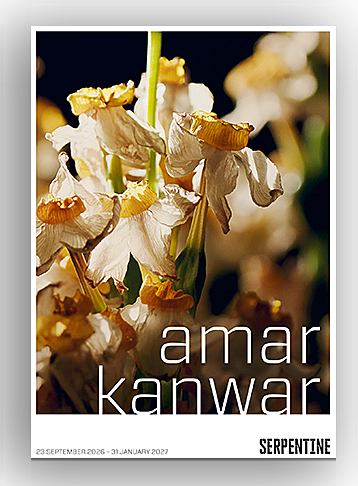
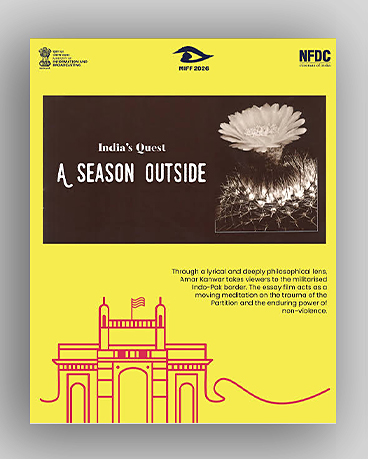
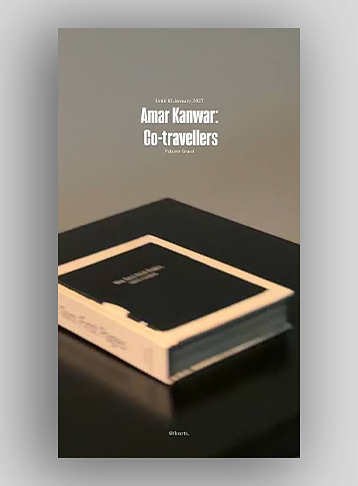
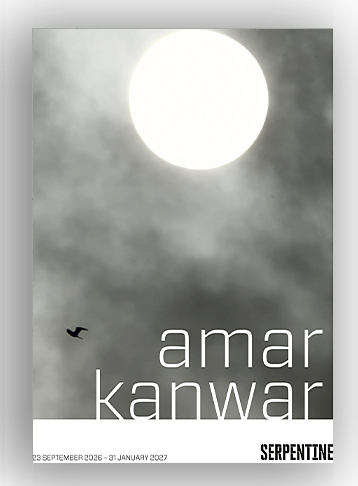
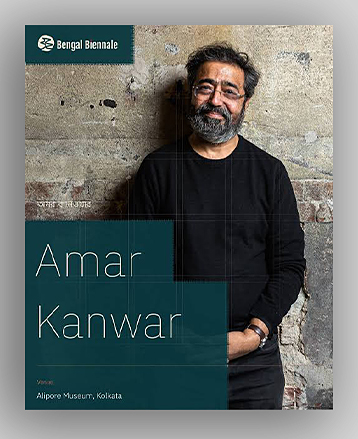
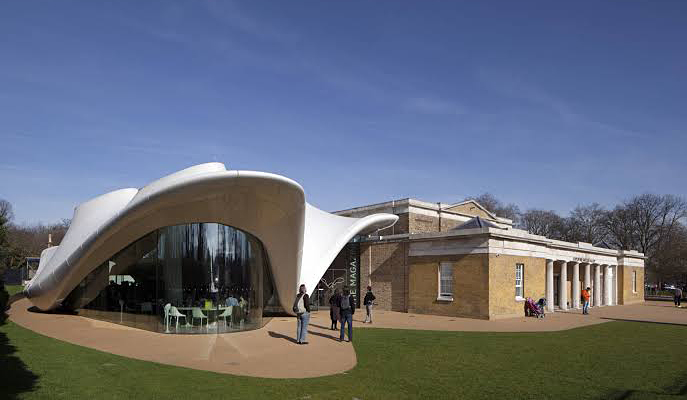
Amar Kanwar’s film works are linked to stories of mass oppression and resistance in South Asia’s recent past. Achieved through a flow of images repeated at a slowed-down pace, they bring together a multitude of disparate visual elements constructed around justice, violence, and collective memory. This discourse, which also stands out in his multi-layered installations that transform into a proposition for meditative viewing, furthermore possesses a critical approach that leaves bitter aftertastes in the audiovisual medium. In this context, the Amar Kanwar exhibition held at London’s Serpentine North Gallery consists of dramatic and emotional landscapes reflecting an anxious process of observation.
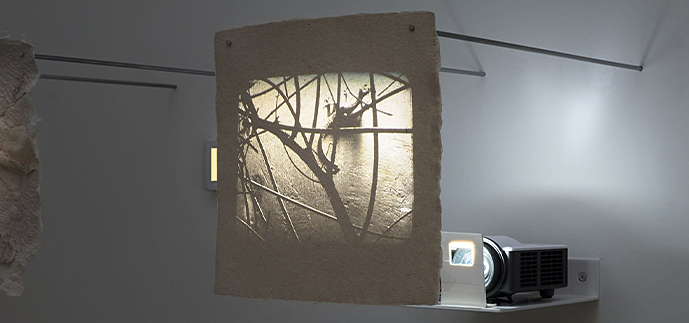
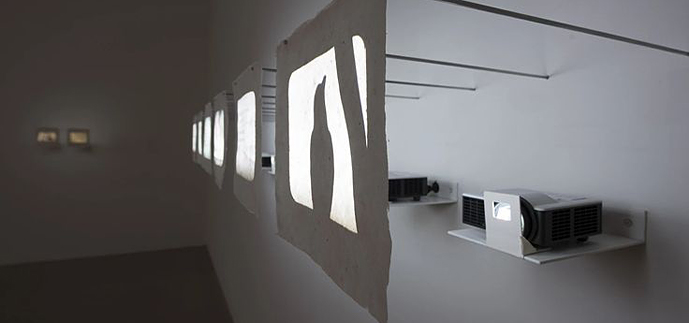
Telling foreseen or unfinished stories within a tense structure, Kanwar frequently turns to archival documents or texts. He creates distinct and singular situations collaged with abstracted images. With the contribution of sculptural elements subtly illuminated and animated via projection, he foregrounds this approach as a counter-aesthetic stance and a fundamental form of resistance. (1)
a fiction fragmented and cast into ambiguity
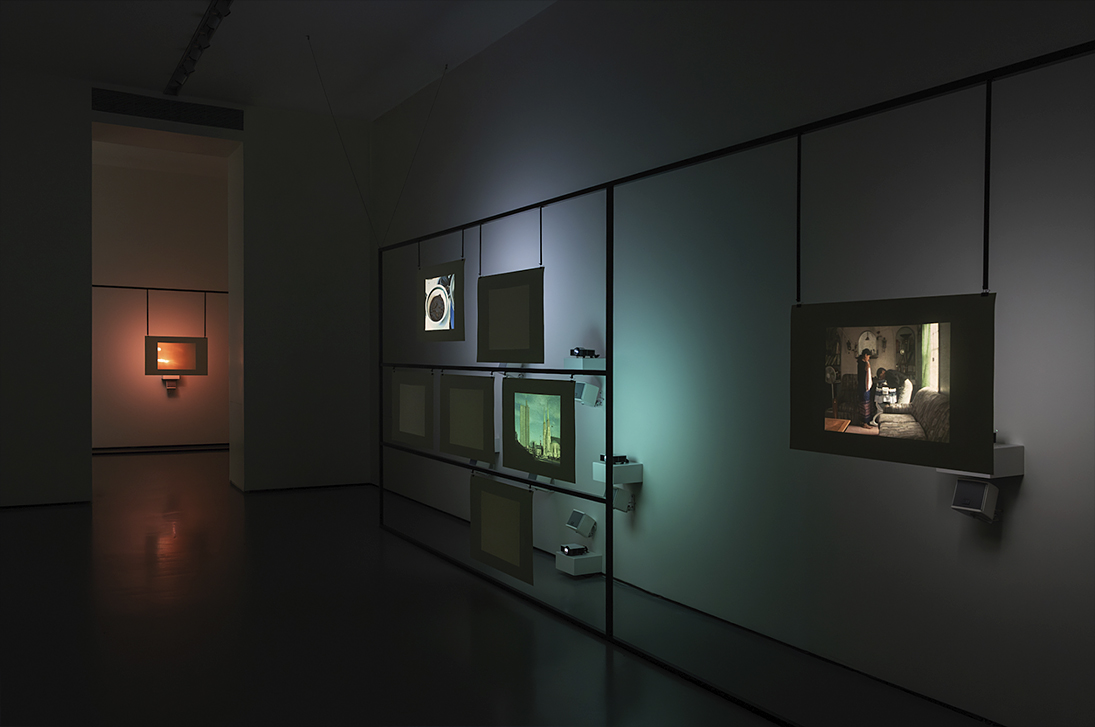
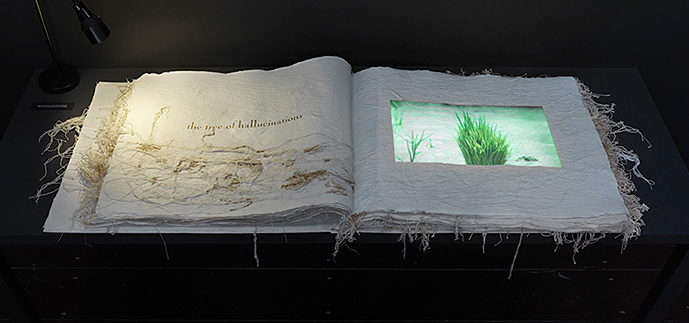
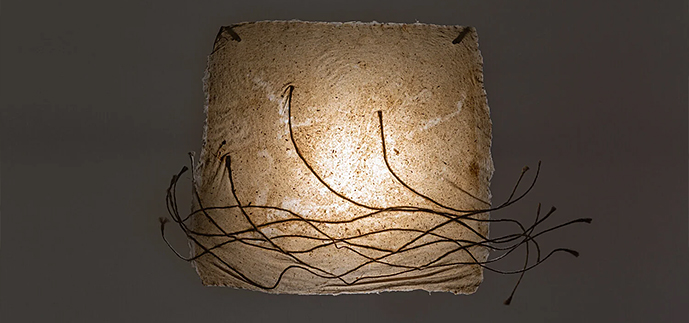
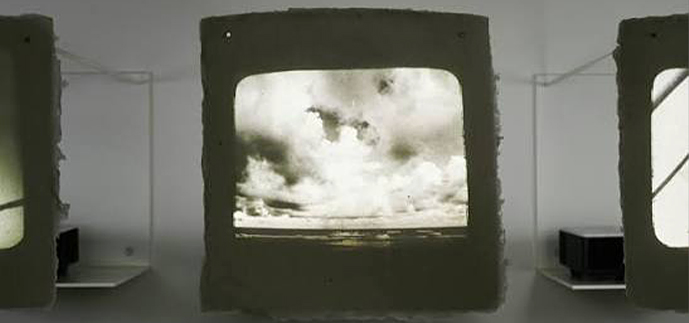
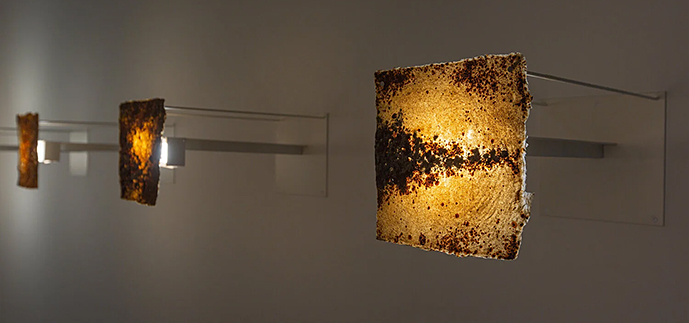
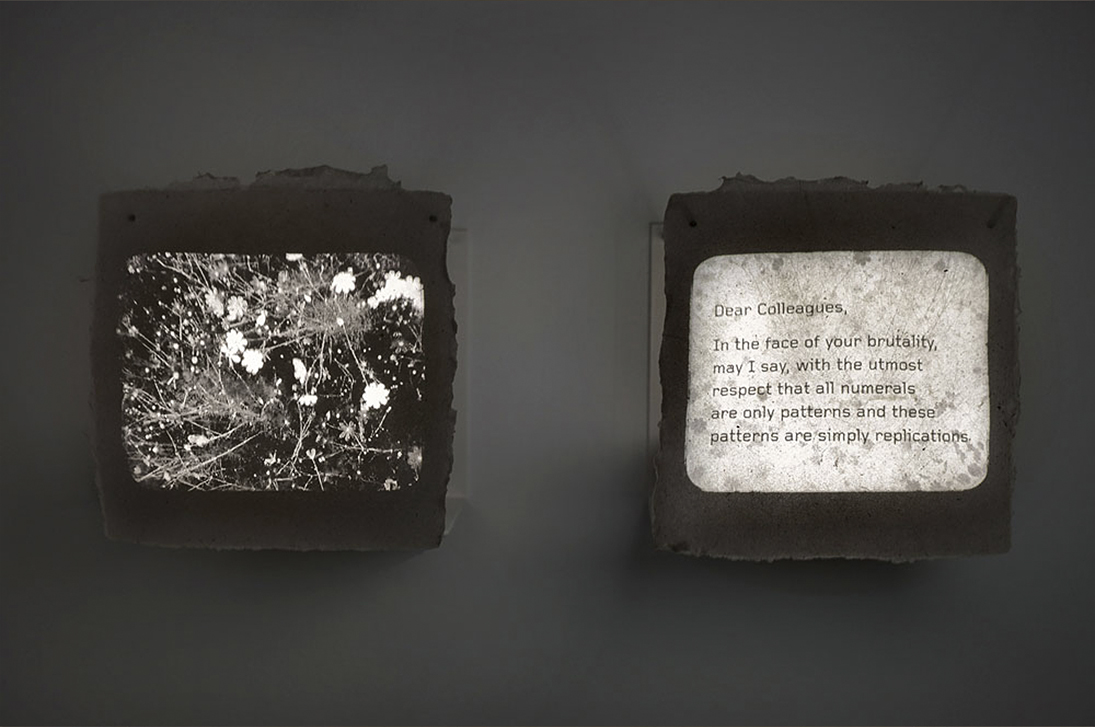
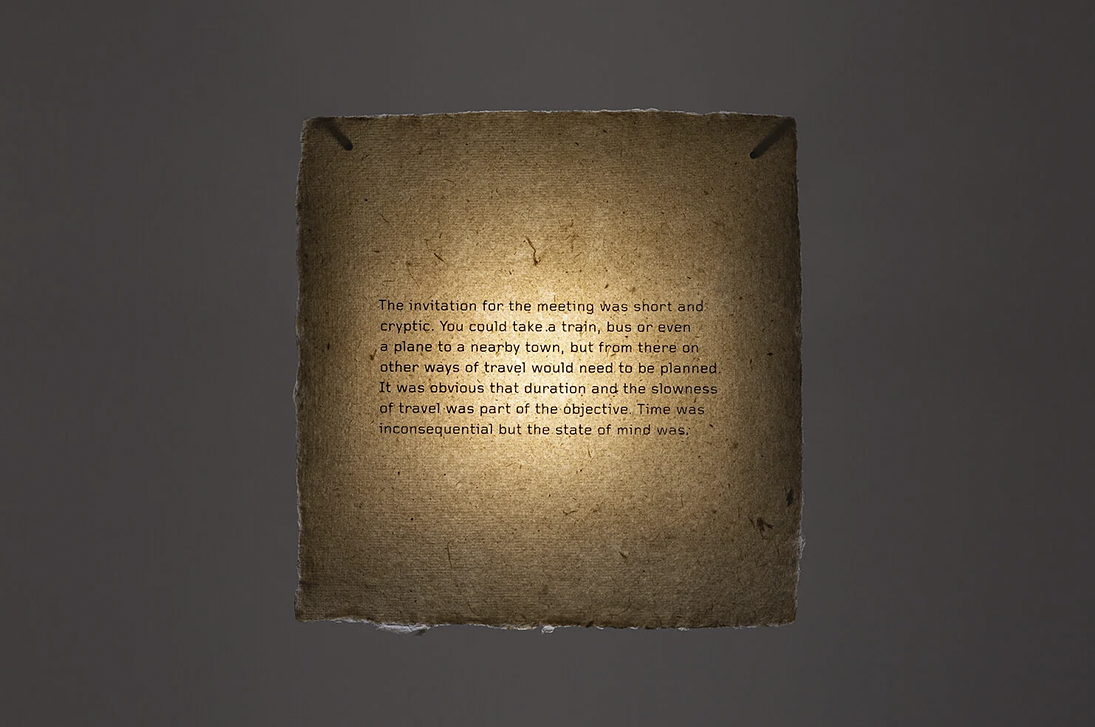
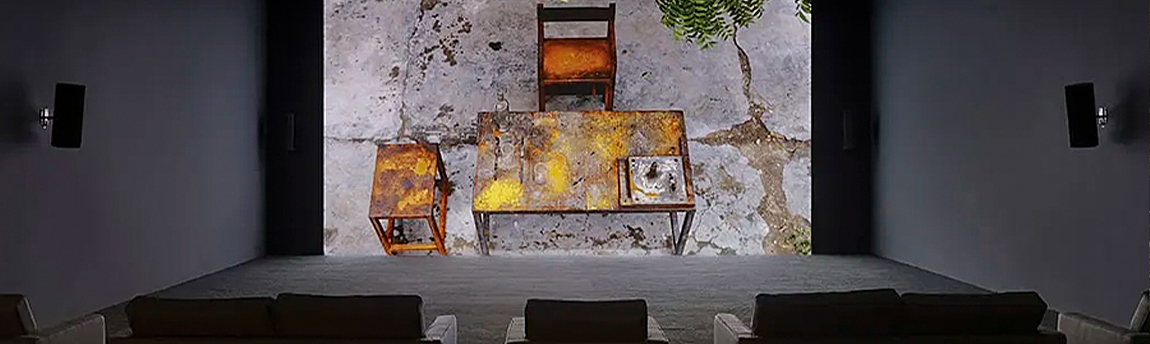
In this context, the exhibition shrouded in darkness at Serpentine North paves the way for numerous ambiguities due to the sense of incompleteness it evokes in the viewer. Here, the relationship established with the dark space and the fragmented exhibition approach act, in a sense, as a method of removing events/narratives from the historical sequence and conveying them as a physical experience. Therefore, the gallery space is primarily a spatial environment where the story is layered and fragmented, and moreover, a sanctuary for slowing down time. (2) In line with this understanding, through an arrangement of rooms and corridors, the artist can easily draw the unprepared viewer into trauma-evoking environments. And in the darkness, he reinforces this sensation through images created on paper surfaces and individually illuminated, within a dramatic atmosphere that both separates the stories and mentally integrates them. (3)
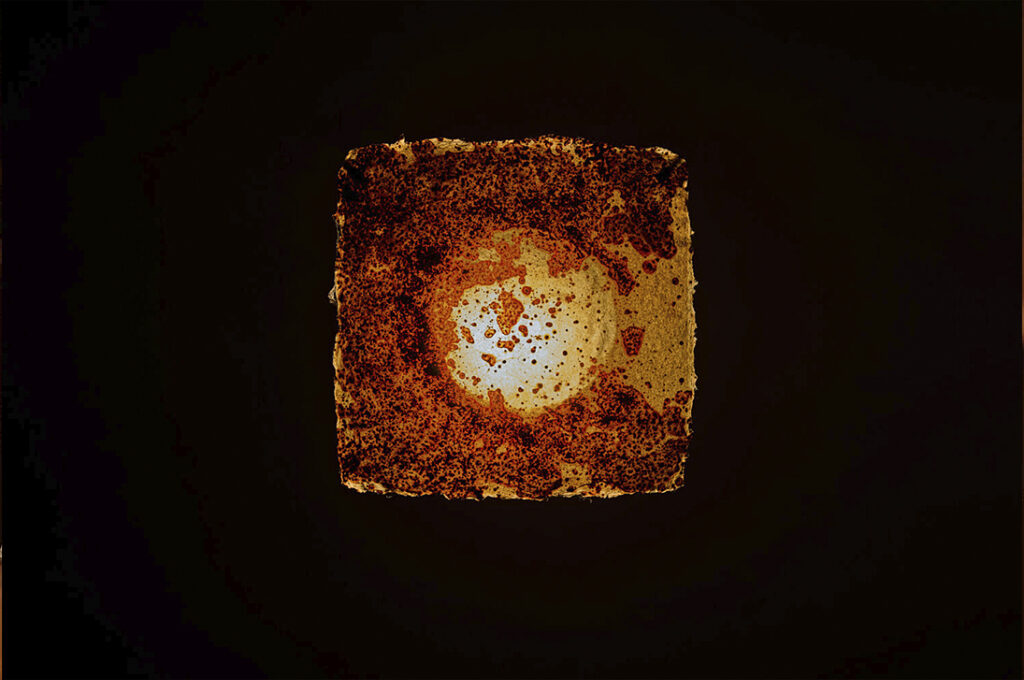
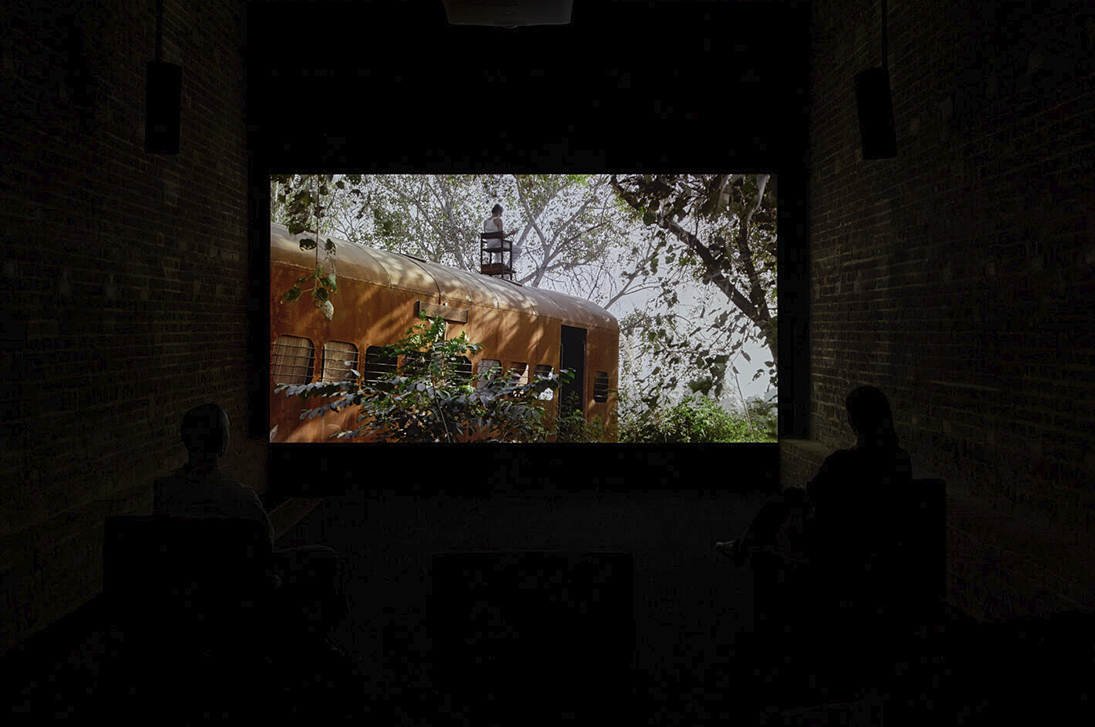
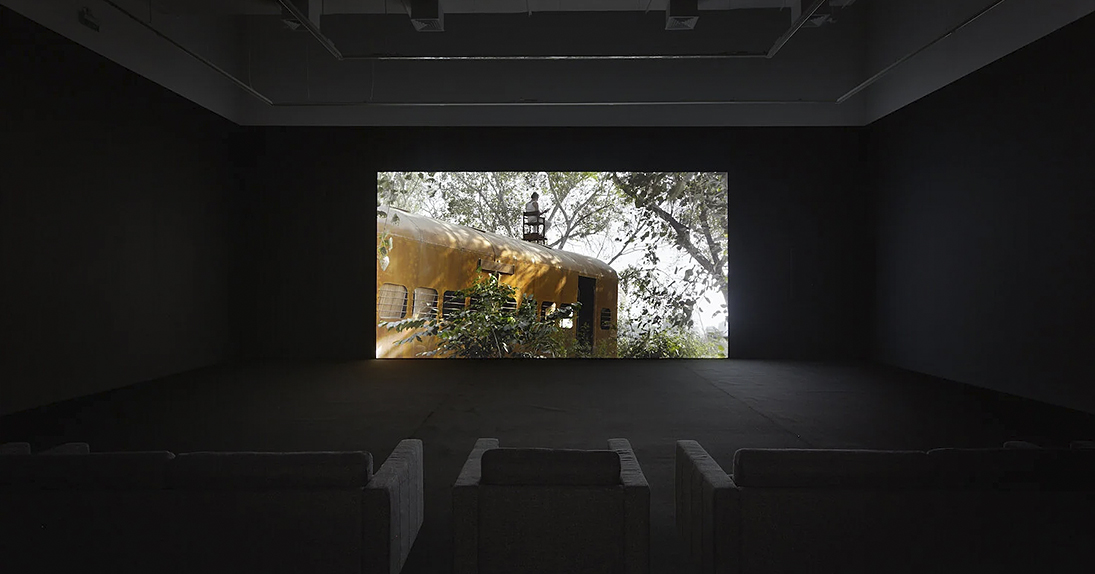
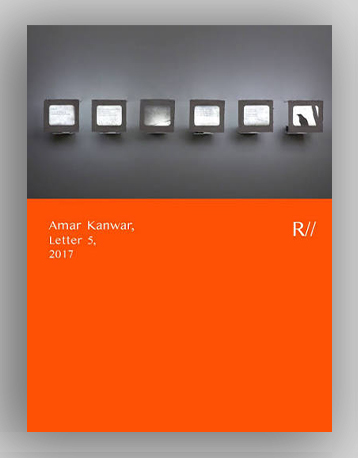
Ultimately, this presentation practice, shaped by a multi-screen edit, causes Kanwar’s spatially diffused narrative to fragment and drift into ambiguity. Undoubtedly, the aim is to create an emotional impact within this darkness, in an environment isolated from the outside. Just as in Such a Morning… (4) Indeed, this emotional environment, which allows inwardness to dominate the visual field, also enables this ambiguous and shifting arrangement to take structure as an aesthetic category – through associations and references, or via the independent visuality of singular zones (the paper works – the Letters series). (5)

Prof. Mümtaz Sağlam, Copyright © November 2026, All Rights Reserved.
NOTES
(1) See: T.J. Demos, Amar Kanwar, Frieze, No: 262, pg.100-107, October 2026, London [https://www.frieze.com/article/tj-demos-anwar-kamar-262]
(3) In Kanwar’s aesthetic, darkness is not merely a visual impairment or a state of hopelessness; it is a philosophical means of retreat that opens up a new space for thinking, feeling, and coming to terms with the brutality and “brutal truths” of the outside world.
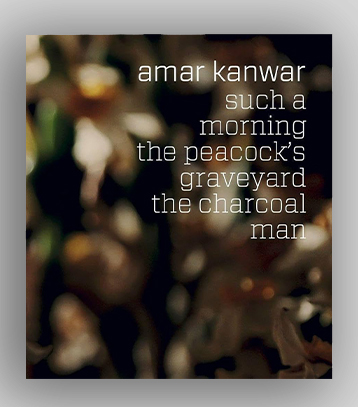
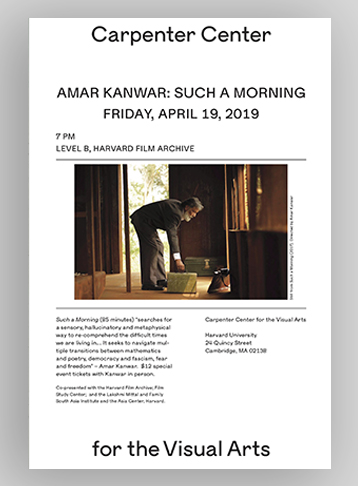
(4) Such a Morning (2017-19) is presented as a feature-length film and a single-channel projection in one of the vaulted rooms located at the center of the Serpentine North Gallery. The room’s dark and enclosed architecture physically conveys to the viewer the feeling of the interior of a train carriage, whose windows the professor in the film has blacked out. See Amar Kanwar, Such a Morning, 2017-19. Digital video, color, sound, 85 minutes; 62 handmade ramie, cotton, and banana fiber papers; 17 digital video back projections.
(5) Amar Kanwar’s Letters series is a multidisciplinary installation that emerged from the universe of the artist’s 2017 feature-length film Such a Morning and extends the narrative beyond the physical boundaries of the movie screen. This installation transforms the letters written by the film’s fictional character into physical objects and spatial installations, directly immersing the viewer in the story.

Amar Kanwar’s exhibition at Serpentine North encompasses works born of a practice operating through moving images and a fragmented visual order. The numerous visual elements aligned side by side in quiet harmony may be characterised as the emotional notations of a psychogeography. Here, alongside an approach that generates new narratives concerning tragic realities, one must particularly note an acute aesthetic sensibility that embraces drift as a strategy. Equally worthy of attention are the outcomes of a conceptual and experimental arrangement situated within a darkened environment, which transforms into literary forms through a discourse of history and politics fused with lyricism. In a sense, Kanwar constructs a layered temporality for himself through the non-hierarchical juxtaposition and repetition of interconnected archival elements. With these installations, presented as a rhetoric of expression and distinctly shaped by the reflections of a wounded consciousness, he pursues a critical dimension that emerges through linguistic shifts and relational aesthetics. Furthermore, he transforms each narrative into records synthesised by crisis, memory, and political history.
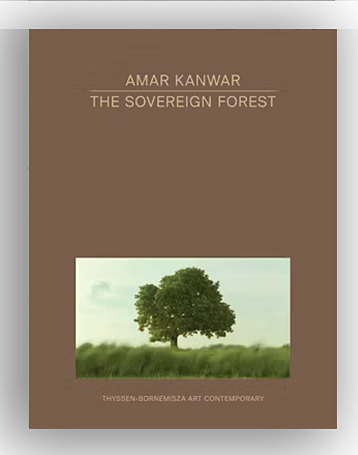
EXHIBITION CATALOGUE
ARTICLES ON AMAR KANWAR’S WORKS
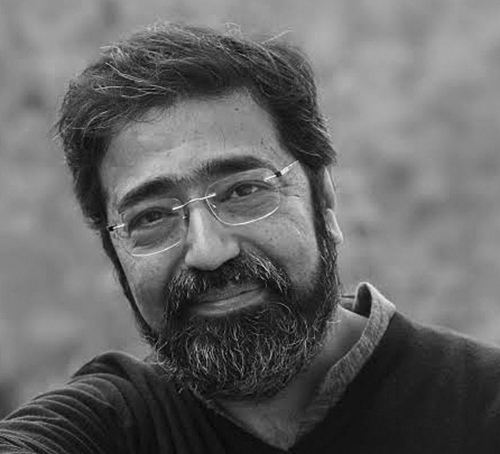
mümtaz sağlam / amar kanwar
ABOUT THE THREE FILMS SCREENED AT THE EXHIBITION / GÖSTERİMİ YAPILAN ÜÇ FİLM HAKKINDA
LETTERS SERIES / MEKTUPLAR SERİSİ
DOKÜMANLAR
BİYOGRAFİ
saglamart; dinamik bir anlayış ile hareket eden, kültür-sanat ortamındaki olay ve olgulara, sanatçı tavırlarına, yapıtlara ve yayınlara odaklanan bağımsız bir yayın etkinliğidir. Tüm hakları saklıdır. Görüntü ve yazılar izinsiz kullanılamaz. / saglamart is an independent publishing initiative driven by a dynamic vision, focusing on events and developments in the cultural-artistic landscape, artist perspectives, works, and publications. All rights reserved. Images and texts cannot be used without permission.